 Skip to content

CNC Machining Materials
Choose the Right Material for Your Custom CNC Parts
At Scintra CNC Manufacturing, we machine a wide range of materials including aluminum, stainless steel, brass, copper, titanium, alloy steel, and engineering plastics to meet the demands of your application.
Material selection is reviewed based on part geometry, critical dimensions, surface finish requirements, strength, corrosion resistance, and production needs.
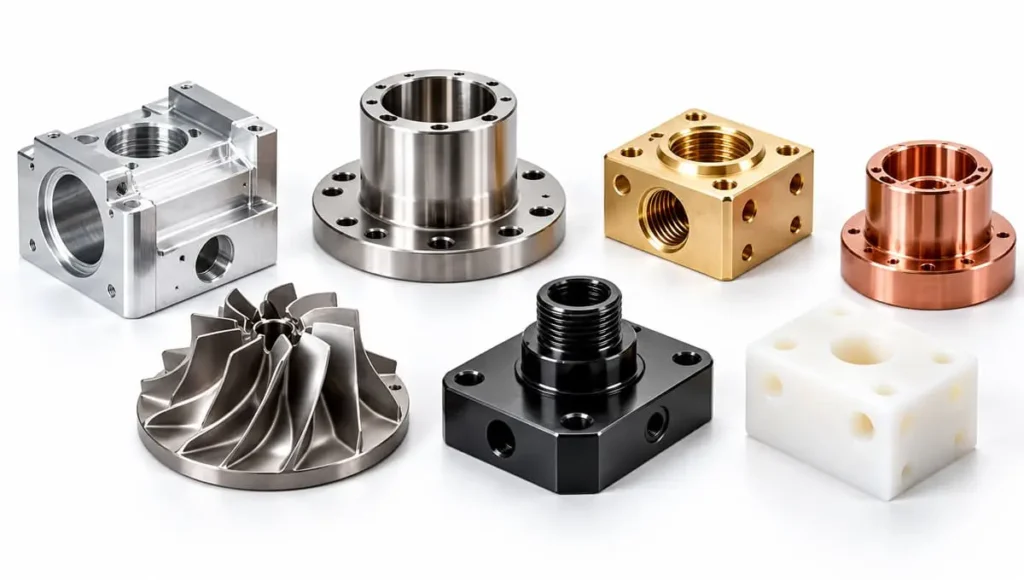
Materials We Machine
Explore the main materials we machine for custom CNC parts, from prototypes to production.
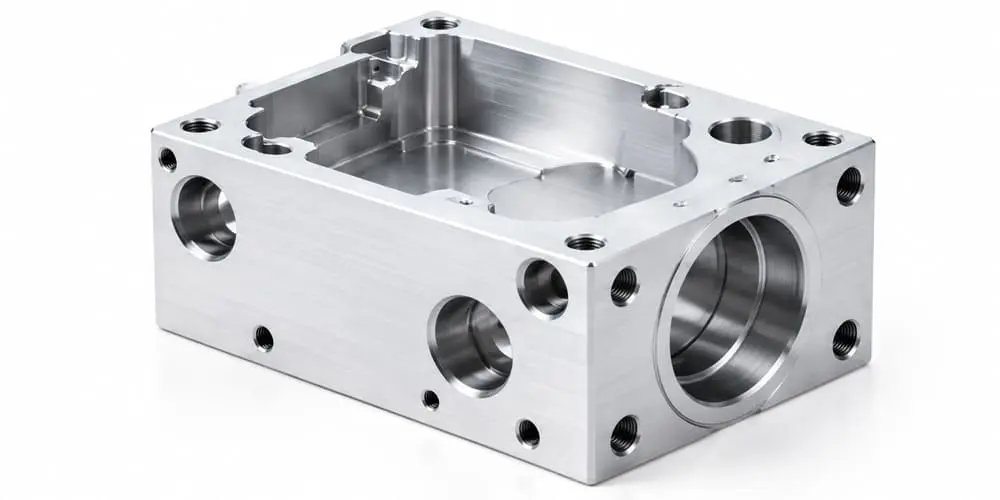
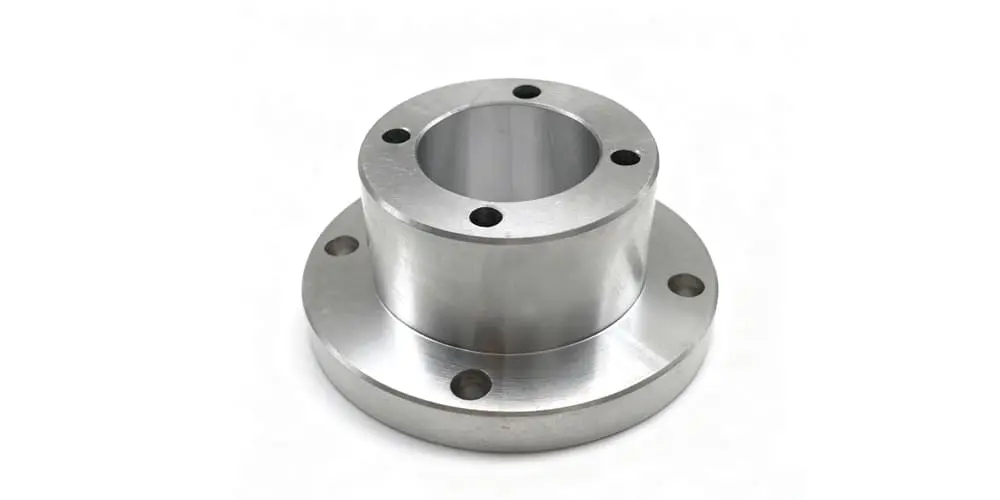
Aluminum
Lightweight, machinable, and suitable for a wide range of precision components, housings, brackets, plates, and enclosures.
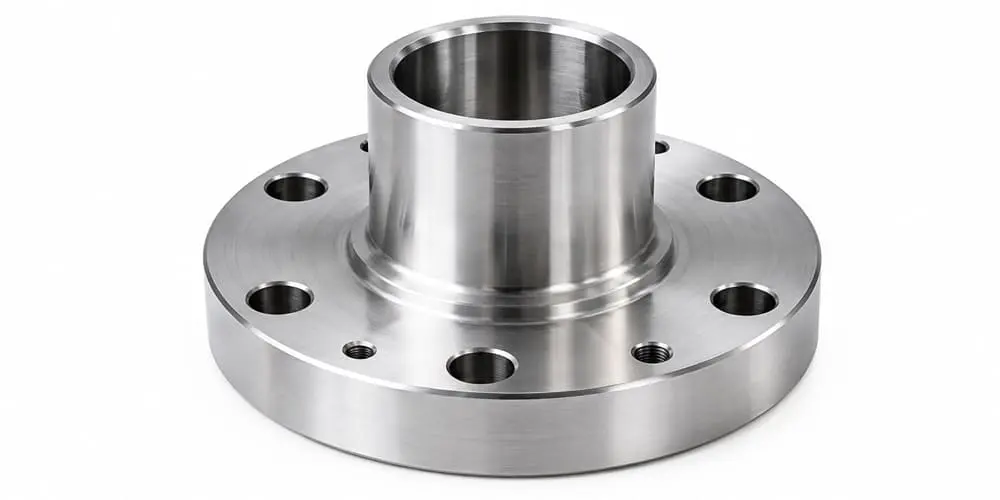
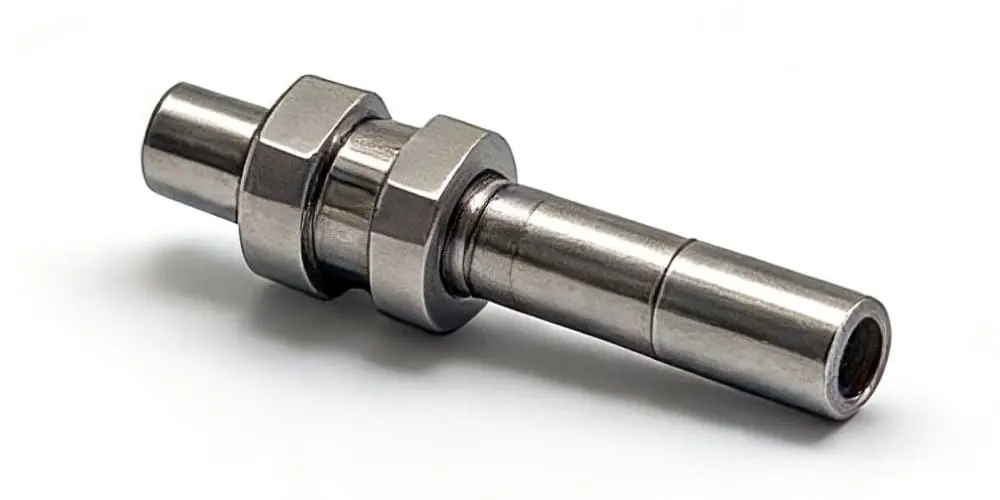
Stainless Steel
Suitable for parts requiring strength, corrosion resistance, dimensional stability, and durable surface performance.
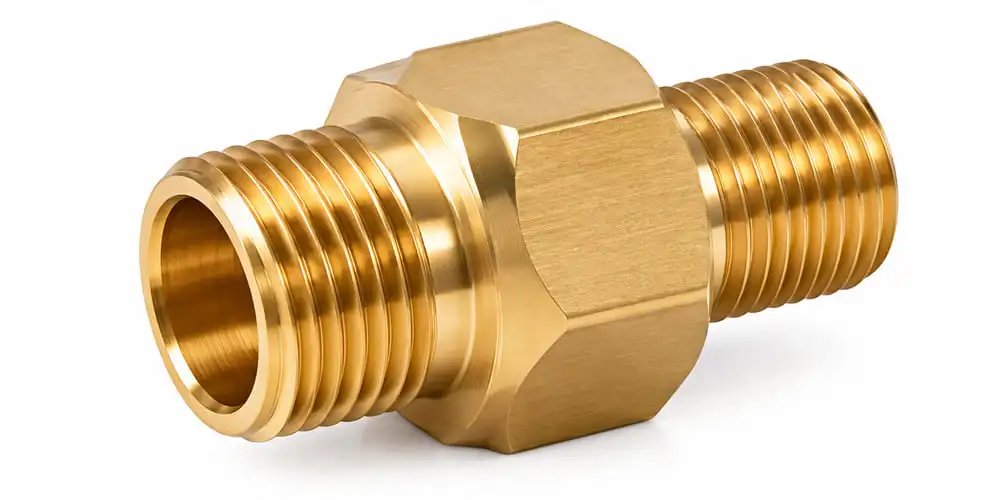
Brass
Commonly used for fittings, connectors, bushings, threaded parts, and components requiring good machinability and conductivity.
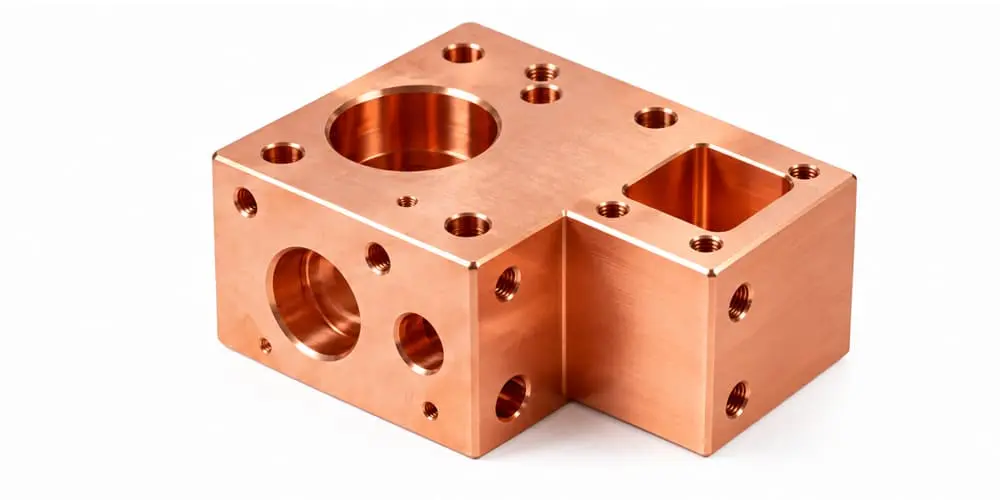
Copper
Suitable for electrical, thermal, and conductive components where material performance and machining control are important.
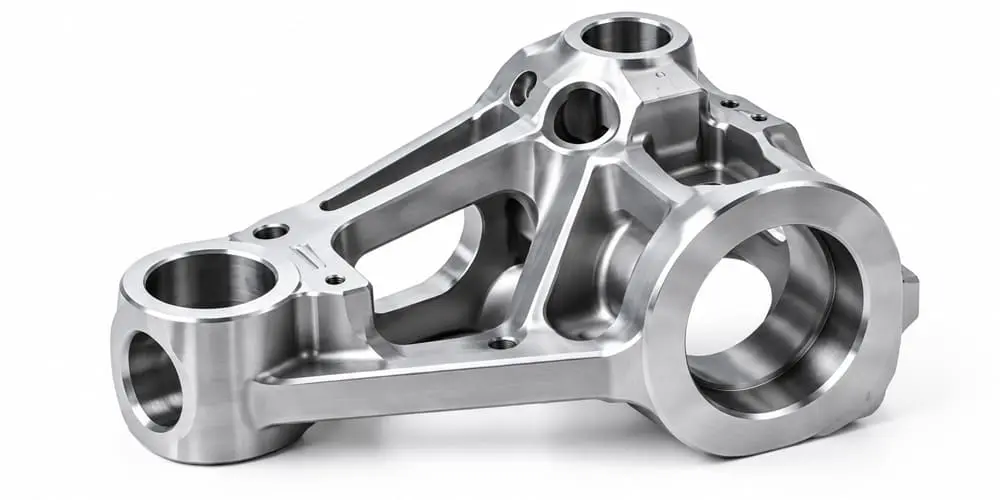
Titanium
Used for lightweight, high-strength, corrosion-resistant precision parts with more demanding machining requirements.
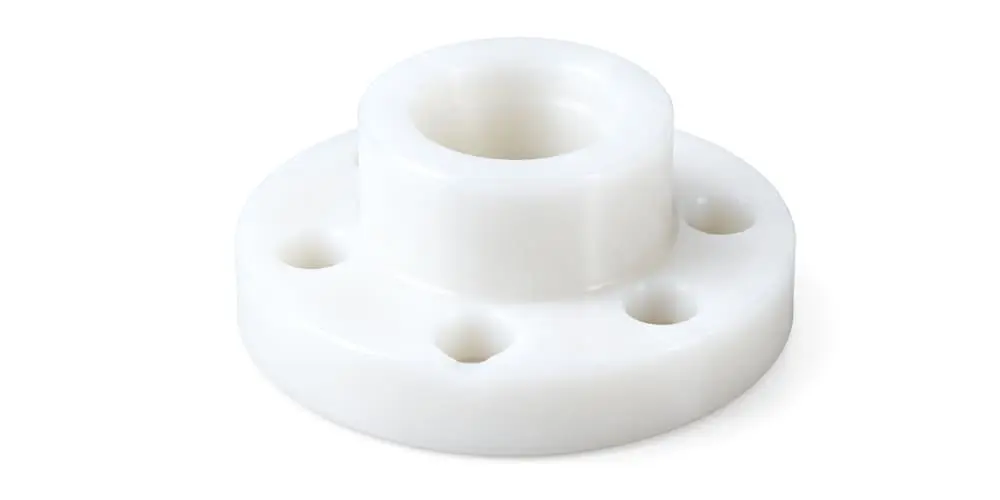
Engineering Plastics
POM, PEEK, Nylon, PTFE and other engineering plastics for lightweight, low-friction, insulating, and functional components.
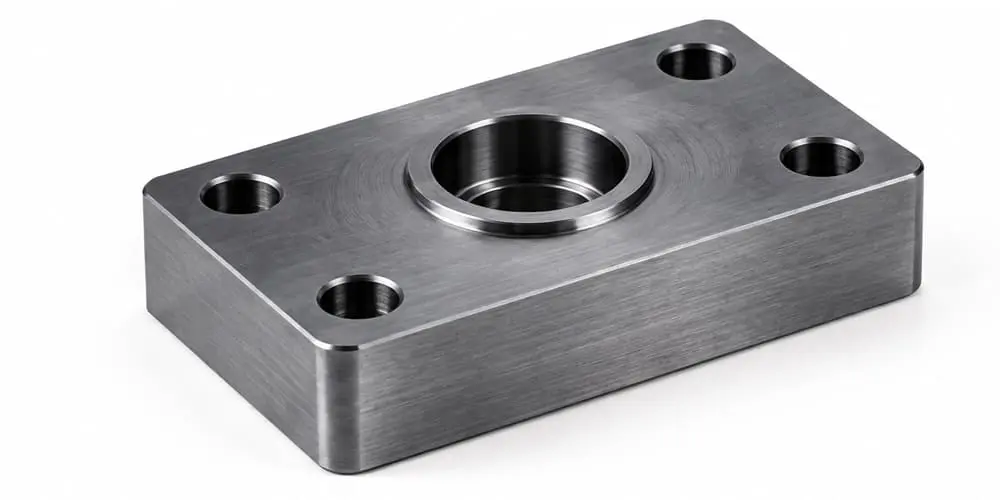
Alloy Steel
Suitable for shafts, tooling components, structural parts, wear-resistant parts, and components requiring higher strength.
How Material Selection Affects CNC Machining
Material choice affects more than just the raw stock. It impacts process stability, dimensional control, finishing compatibility, and total production cost.
Machinability
Different materials affect cutting parameters, tooling, cycle time, and process stability.
Critical Dimensions
Material behavior can influence dimensional control during machining and finishing.
Strength & Weight
Material choice affects structural performance, weight, and application requirements.
Corrosion Resistance
Stainless steel, aluminum, titanium, and plated materials provide different levels of corrosion protection.
Surface Finishing
Not every material supports the same anodizing, plating, polishing, blasting, or coating process.
Production Cost
Material price, tool wear, machining time, finishing, inspection, and order volume all affect unit cost.
Material & Surface Finish Compatibility
Representative materials and the finishing options commonly used for CNC machined parts.
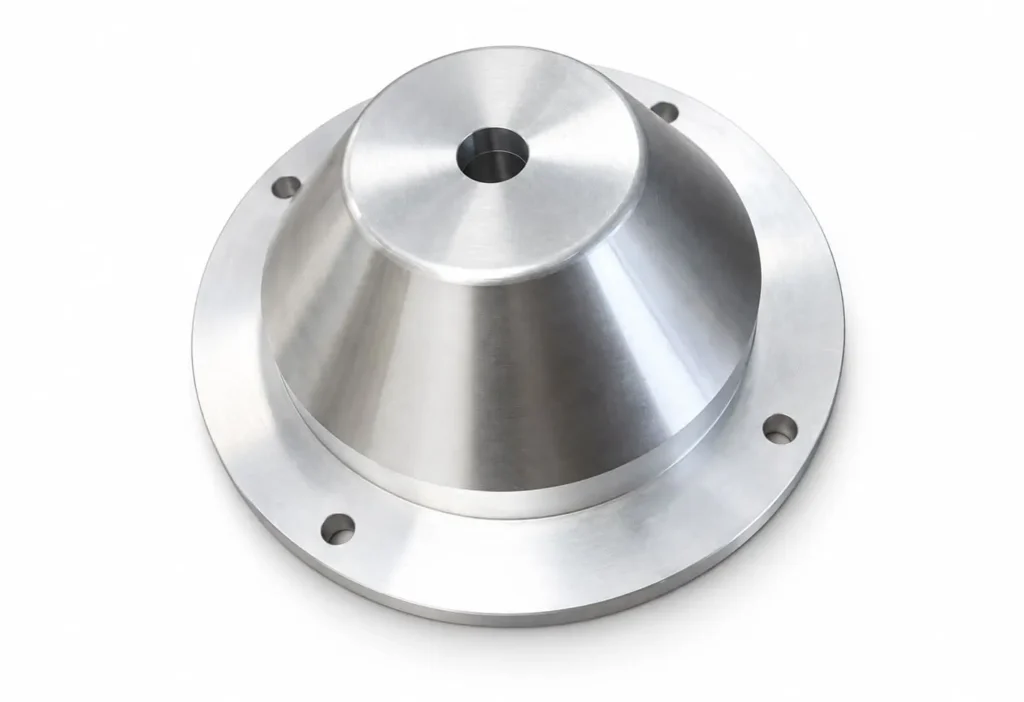
Aluminum
As machined, fine machined, bead blasting, anodizing, hard anodizing, powder coating.
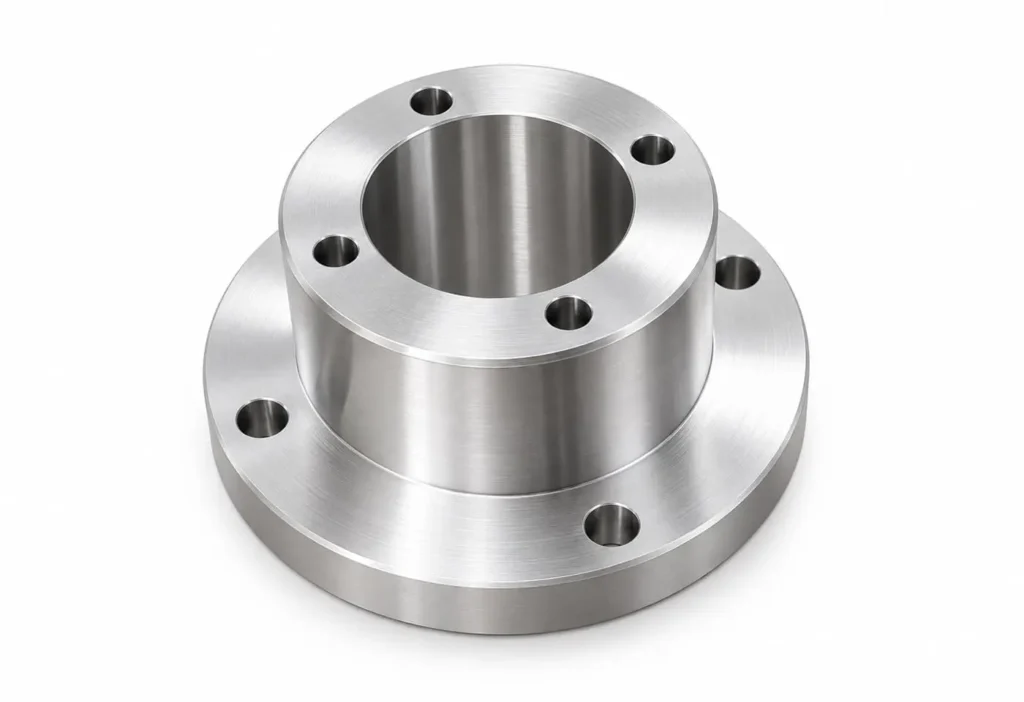
Stainless Steel
As machined, polishing, bead blasting, passivation, selected plating.
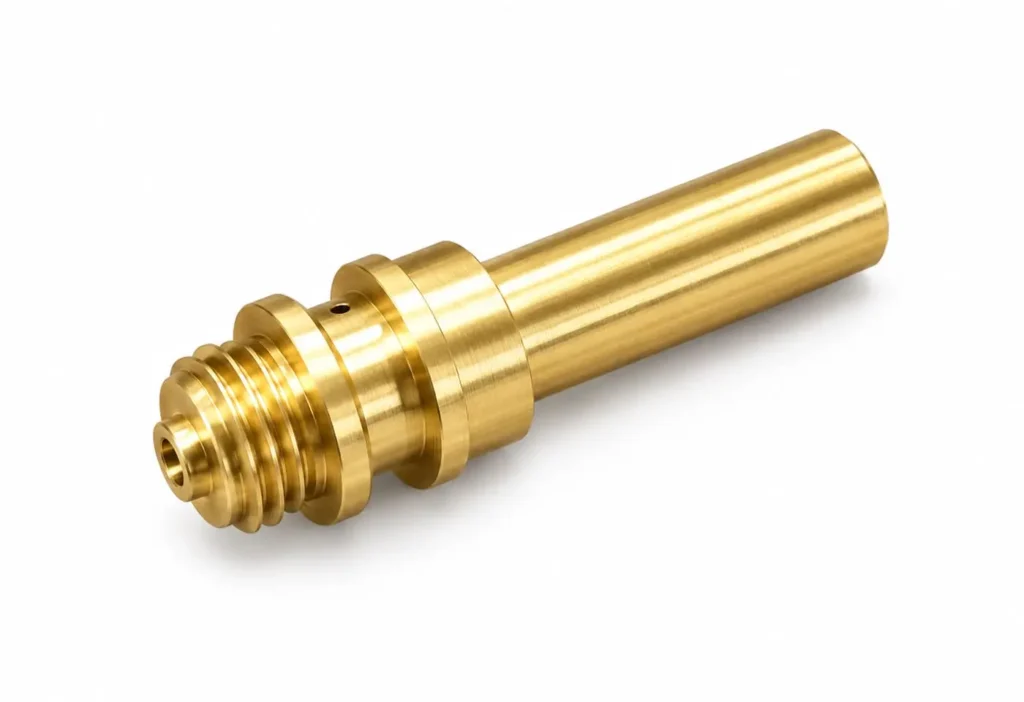
Brass
As machined, polishing, brushing, plating.
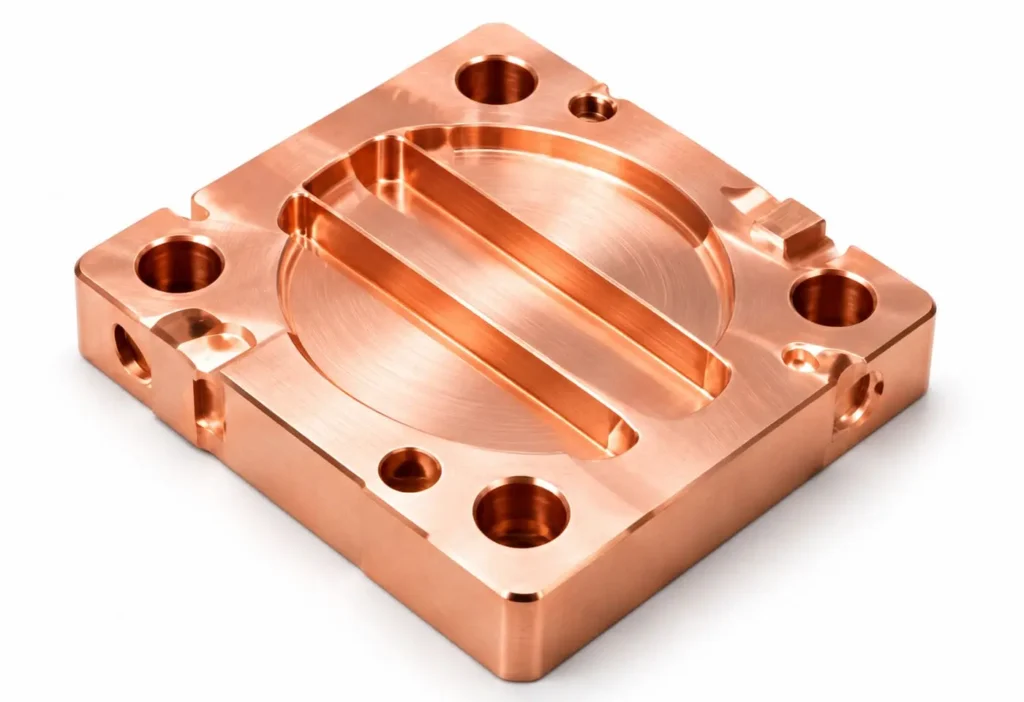
Copper
As machined, polishing, plating, protective finishes.
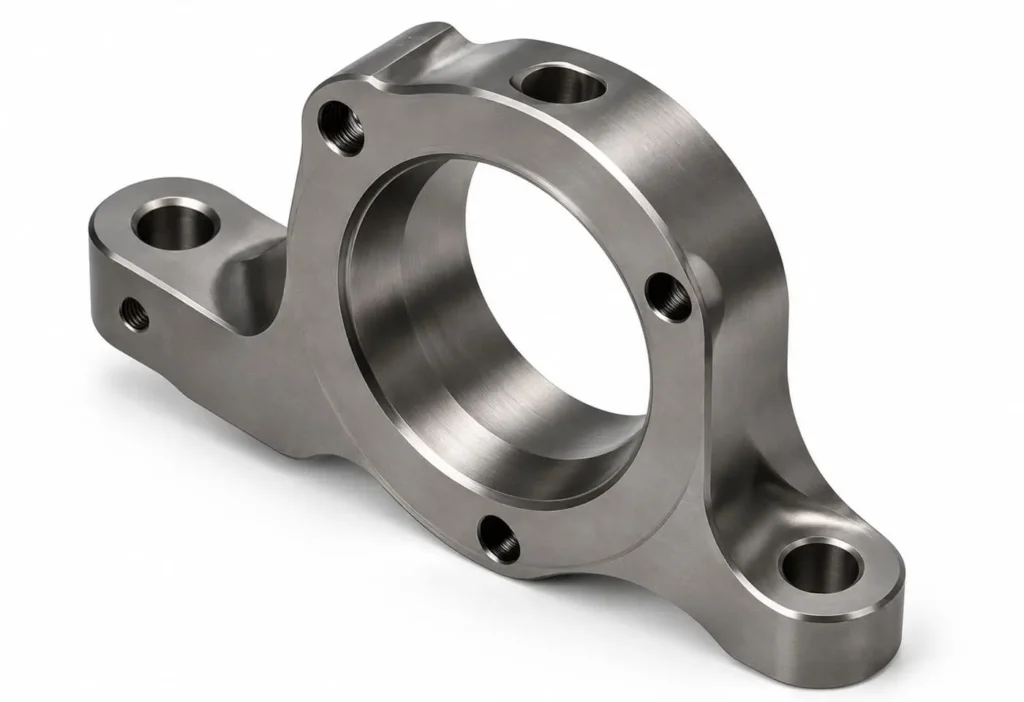
Titanium
Finishing depends on grade, function and application.
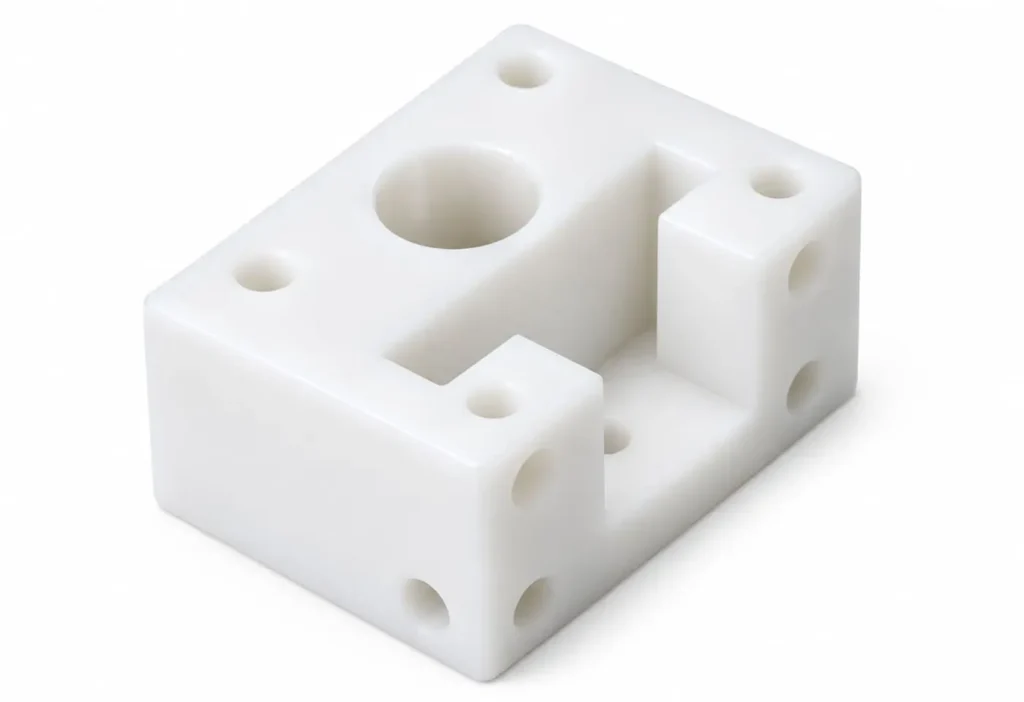
Engineering Plastics
Usually as machined, deburred, or polished depending on material.
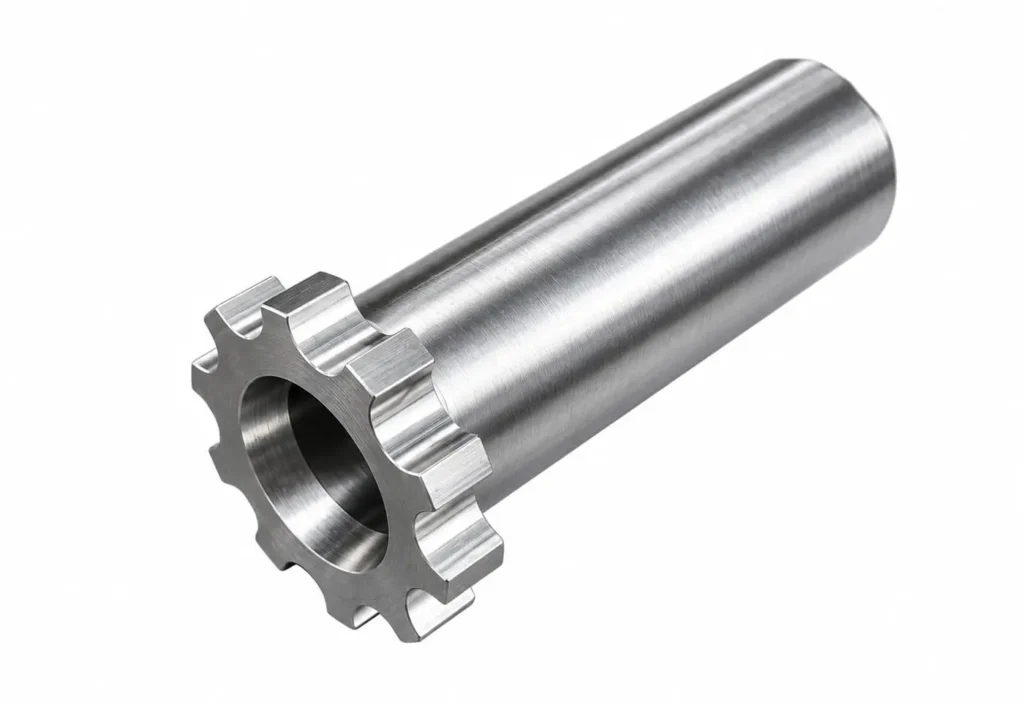
Alloy Steel
As machined, black oxide, plating, powder coating and protective finishes.
Explore our complete surface finishing capabilities, specifications and design considerations.
Material Verification & Traceability
Material grade, specification, heat number, size, and supporting documentation can be reviewed before production when required. This helps maintain consistency between the approved material specification and the parts being manufactured.
Confirm material grade, specification and size before machining.
Each material batch can be traced by heat number.
Mill certificates (e.g. MTC) can be provided upon request.
We confirm the latest drawing version and material requirements before production.
From Material Selection to Finished CNC Parts
A simple workflow that connects material planning with machining, finishing, inspection, and production support.
01
Confirm requirements, tolerances, and key features.
02
Choose the right material for performance and cost.
03
CNC milling, turning or Swiss machining.
04
Achieve the desired appearance and properties.
05
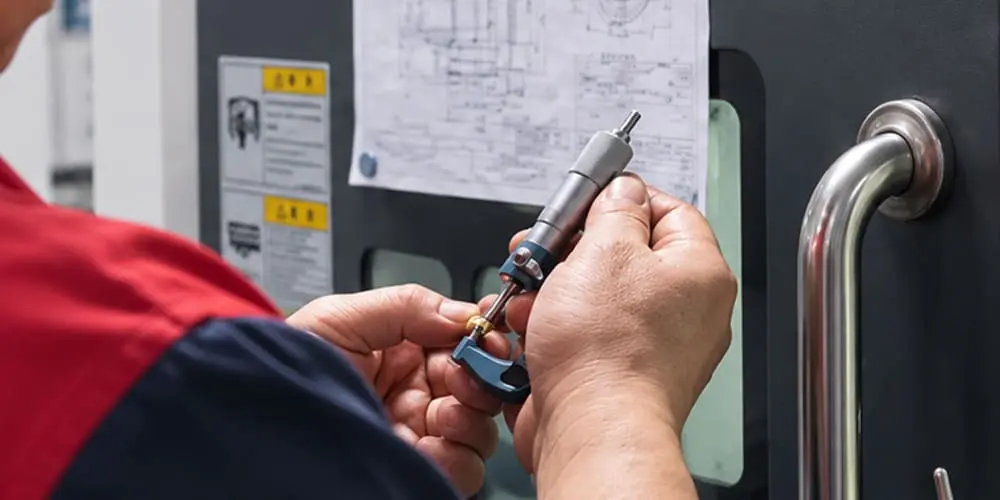
Verify dimensions, quality, and compliance.
06
Scale from prototypes to full production.
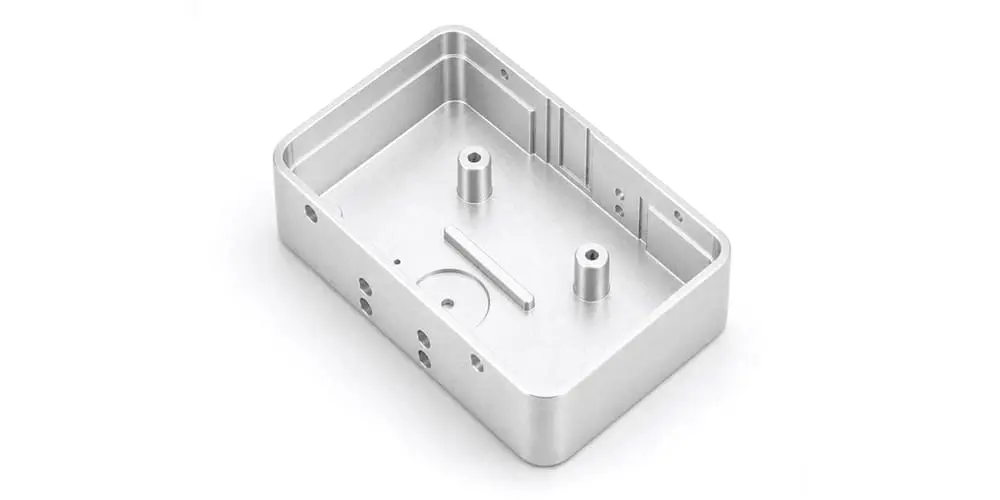
Not Sure Which Material Fits Your CNC Project?
Send your drawing, material specification, critical dimensions, surface finish requirements, and expected production volume. We can review the manufacturing requirements before production.