 Skip to content

Surface Finishing for CNC Machined Parts
Scintra Manufacturing supports surface finishing for custom CNC machined metal and plastic parts based on customer drawings, materials, functional requirements, cosmetic expectations, and production needs. Surface finish requirements can affect appearance, corrosion resistance, wear behavior, surface roughness, critical dimensions, threads, holes, mating surfaces, and assembly fit.
Why Surface Finishing Matters After CNC Machining
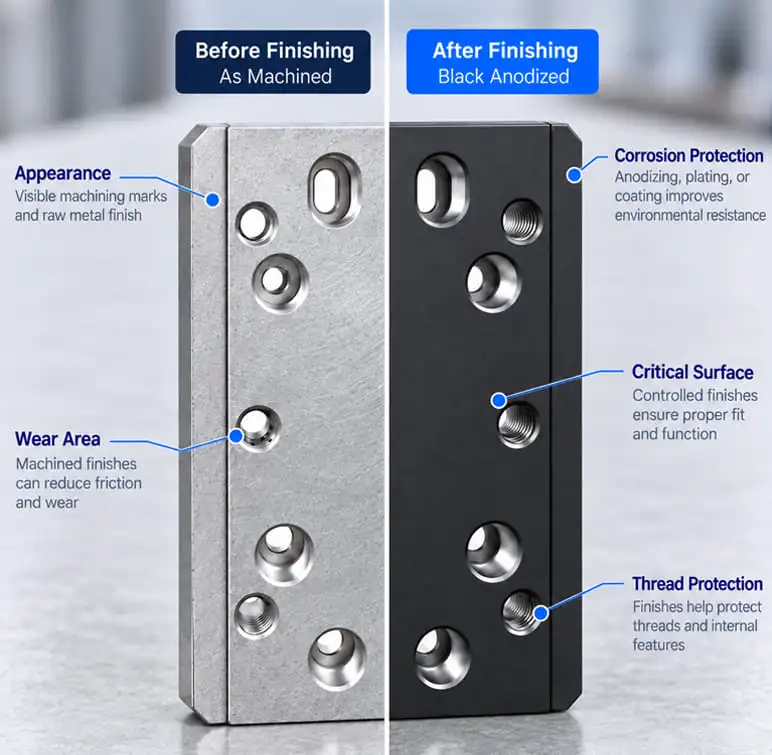
Surface finishing is not only about appearance. It can influence how a CNC machined part looks, functions, wears, resists corrosion, fits with mating parts, and performs in assembly. A finish selected too late may affect threads, holes, critical surfaces, cosmetic areas, or tolerance-sensitive features.
Appearance and Customer Acceptance
Surface texture, color, gloss, scratches, and visible machining marks can affect the final appearance and customer acceptance of the part.
Corrosion Resistance
Anodizing, passivation, plating, black oxide, and coating options may help protect selected materials in suitable operating environments.
Wear and Surface Behavior
Hard anodizing, plating, polishing, or other finishes may influence wear behavior, friction, and contact surfaces.
Assembly Fit and Critical Surfaces
Coating thickness or finish buildup may affect holes, threads, mating surfaces, and fitted components.
Repeat Order Consistency
For repeat production, finish samples, drawing notes, and finish requirements help reduce batch-to-batch appearance variation.
Our team can review your application, environment, and performance needs to recommend the best option.
Surface Finishing Should Be Planned Before Machining
Surface finish requirements should be reviewed before manufacturing begins. Finish selection may affect machining allowance, masking, protected areas, threads, holes, cosmetic surfaces, tolerance-sensitive features, packaging, and inspection requirements.
Finish requirements reviewed before machining help reduce avoidable rework and assembly issues.
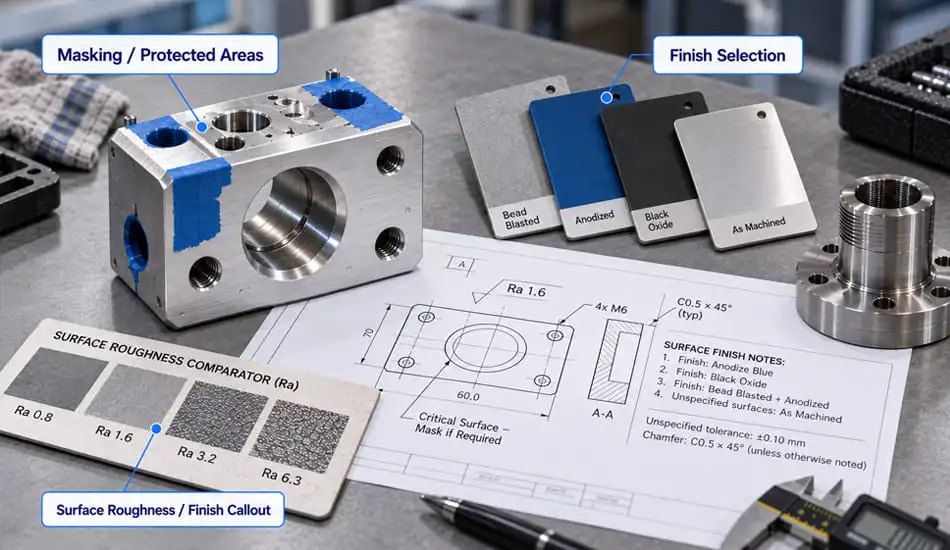
Review finish callouts, surface roughness requirements, color notes, coating notes, and special instructions on the drawing.
Review whether the selected material is suitable for the requested finish.
Identify mating surfaces, sealing surfaces, sliding surfaces, cosmetic surfaces, and functional areas before finishing.
Review surfaces, holes, threads, or features that may need protection during finishing.
Consider how anodizing, plating, powder coating, or other buildup may affect fit and assembly.
Discuss appearance checks, surface finish inspection, scratch protection, and packaging requirements before production.
As Machined
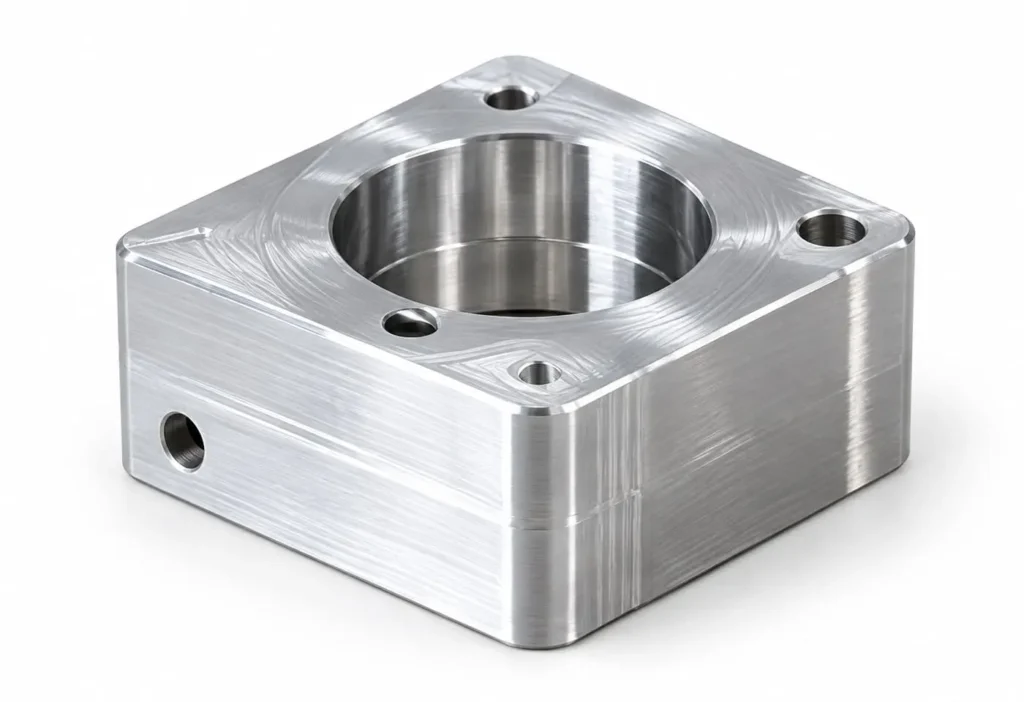
A practical finish that retains visible machining marks. Suitable when function, tolerance, or cost is more important than cosmetic appearance.
Hard Anodizing
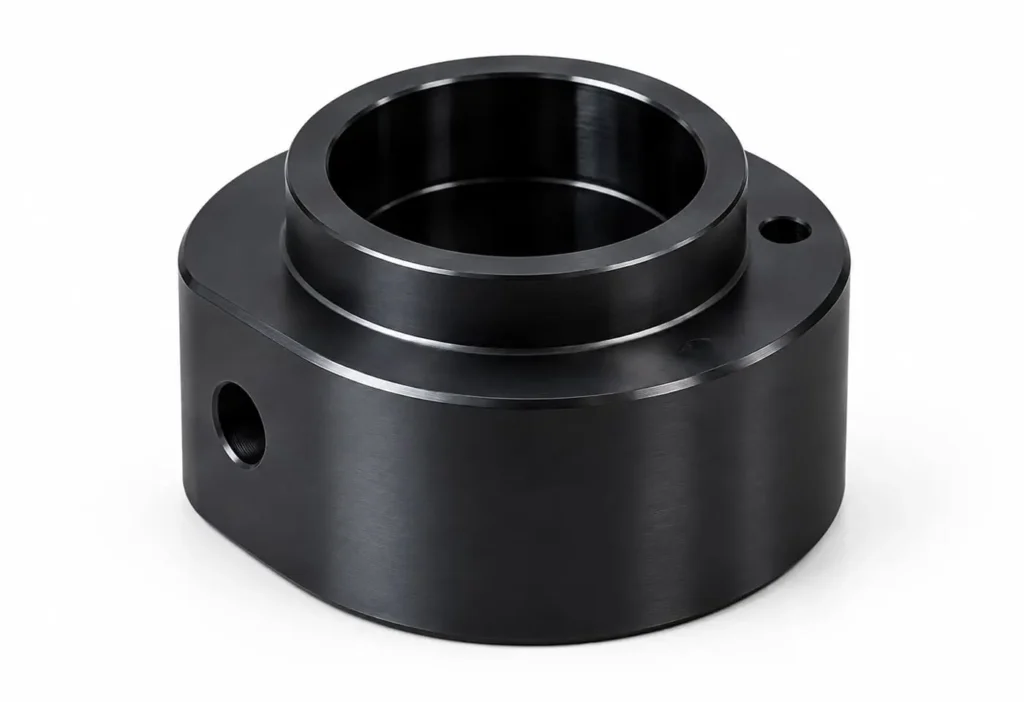
Often used for selected aluminum parts where improved wear resistance or harder surface properties are required. Dimensional impact should be considered.
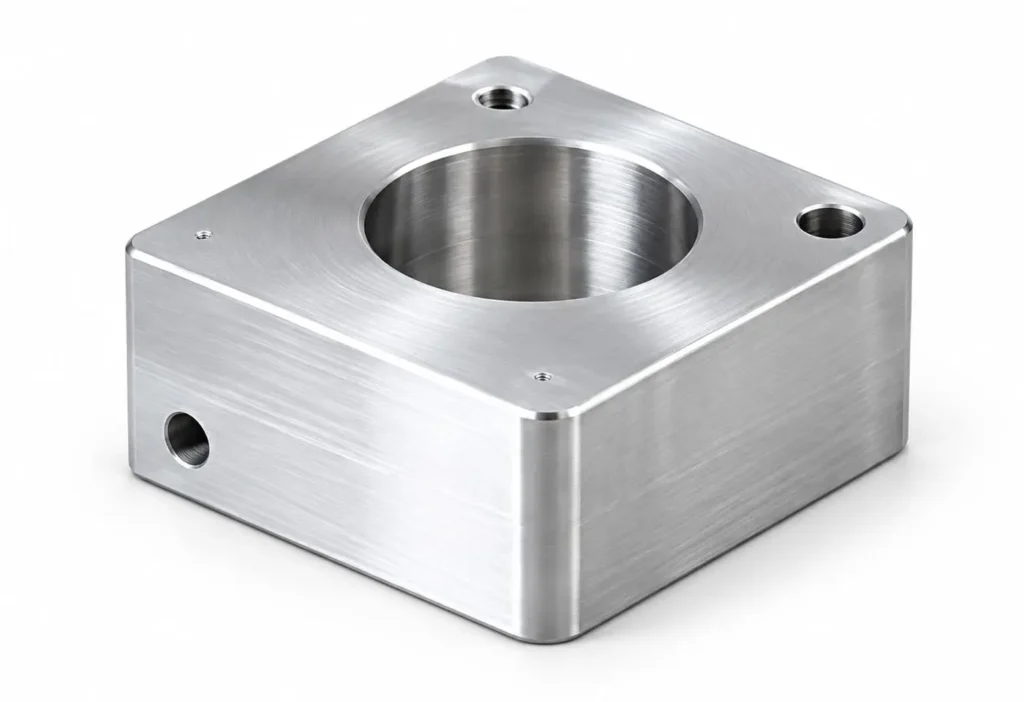
Fine Machined
A smoother machined surface may be reviewed where selected functional or appearance requirements need improved tool marks or surface quality.
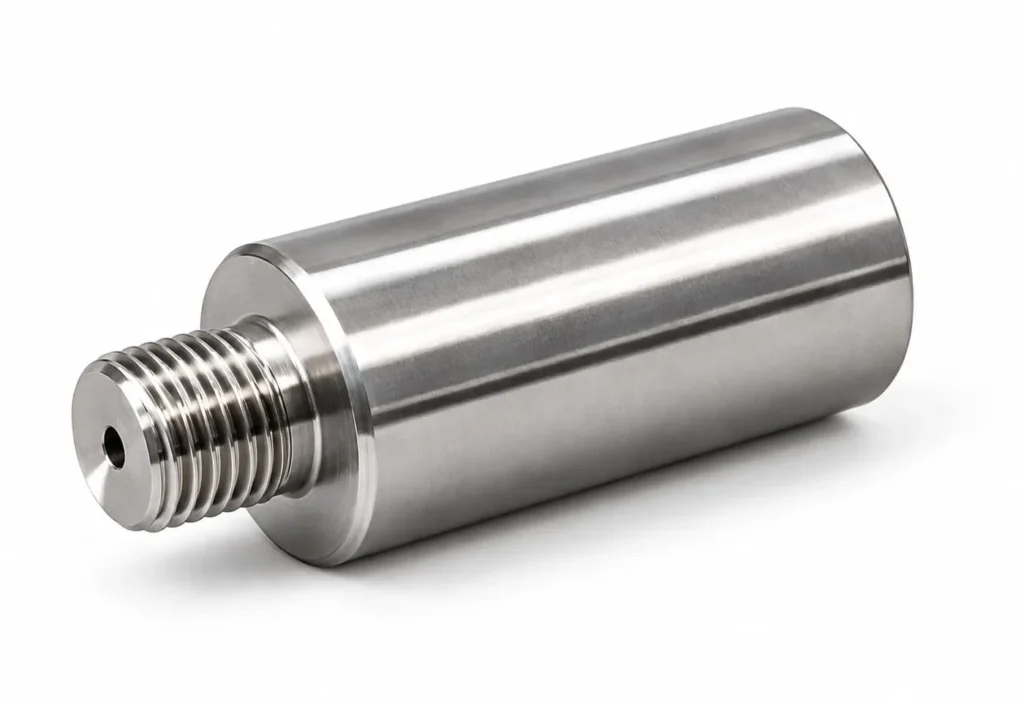
Passivation
Often used for stainless steel parts to support corrosion resistance by removing surface contaminants from machining.
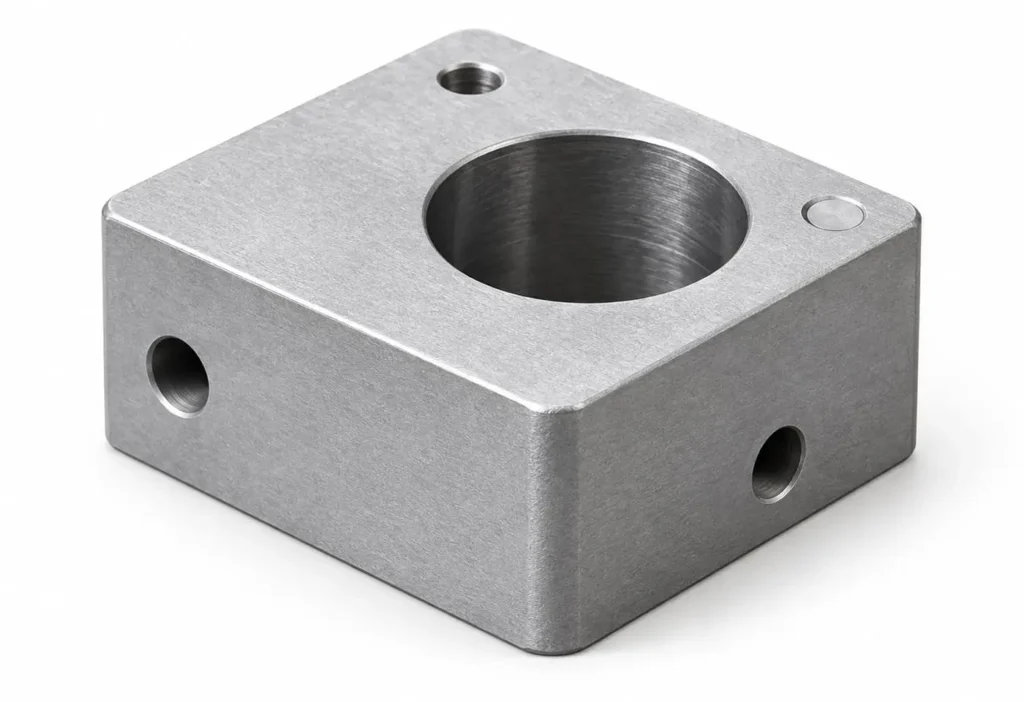
Bead Blasting
Creates a more uniform matte texture and helps reduce visible machining marks. Critical surfaces, holes, and threads may need review before blasting.
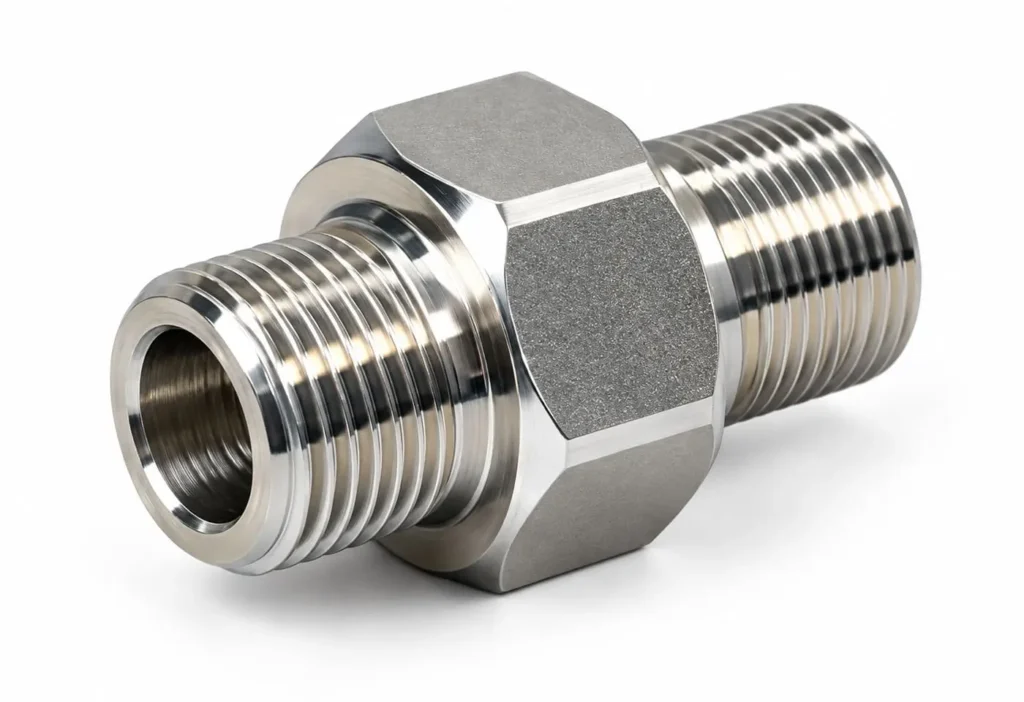
Plating
Nickel, zinc, or other plating options may be used depending on material, appearance, conductivity, corrosion, or wear requirements.
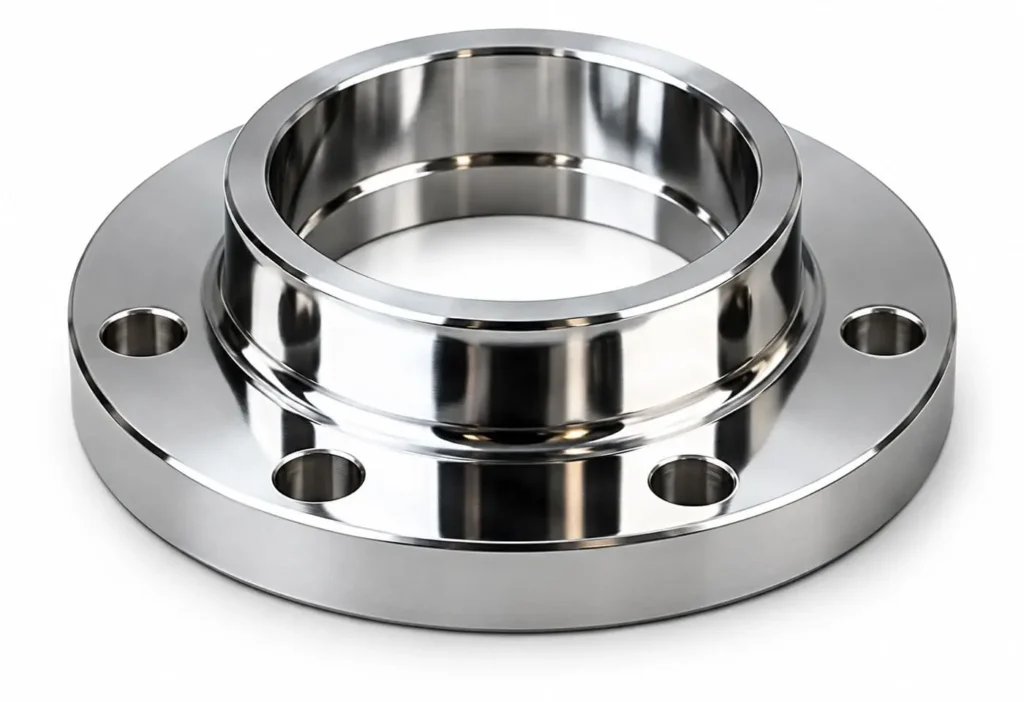
Polishing
Can improve smoothness or reflectivity on suitable surfaces. Part geometry and material influence polishing results and consistency.
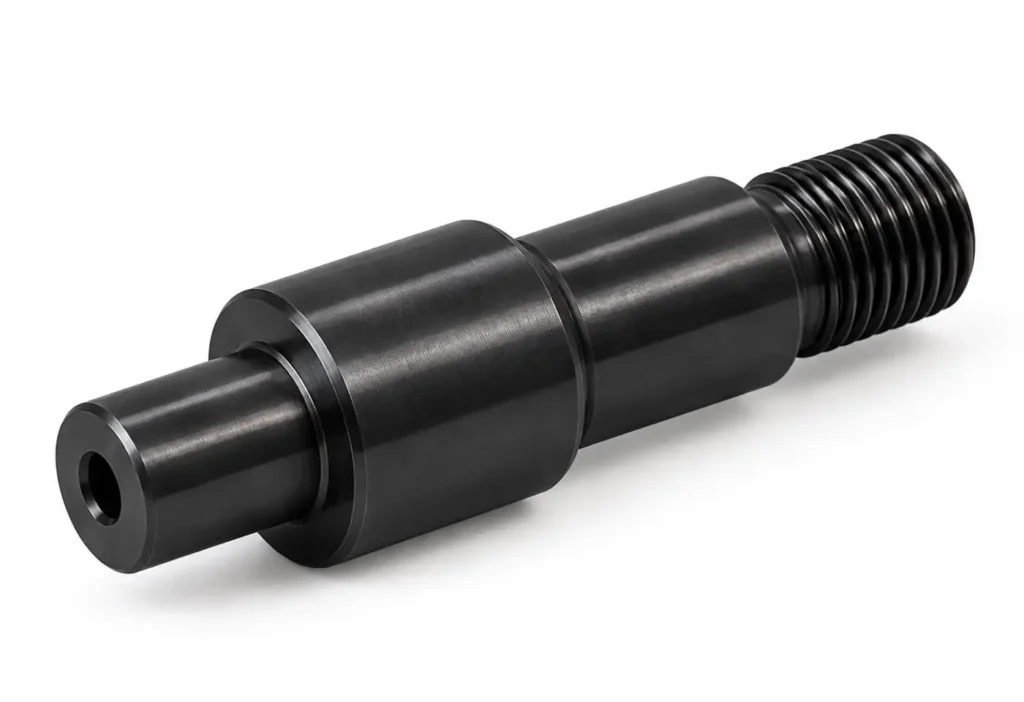
Black Oxide
Can be used for selected steel parts where darker appearance and mild corrosion resistance are required.
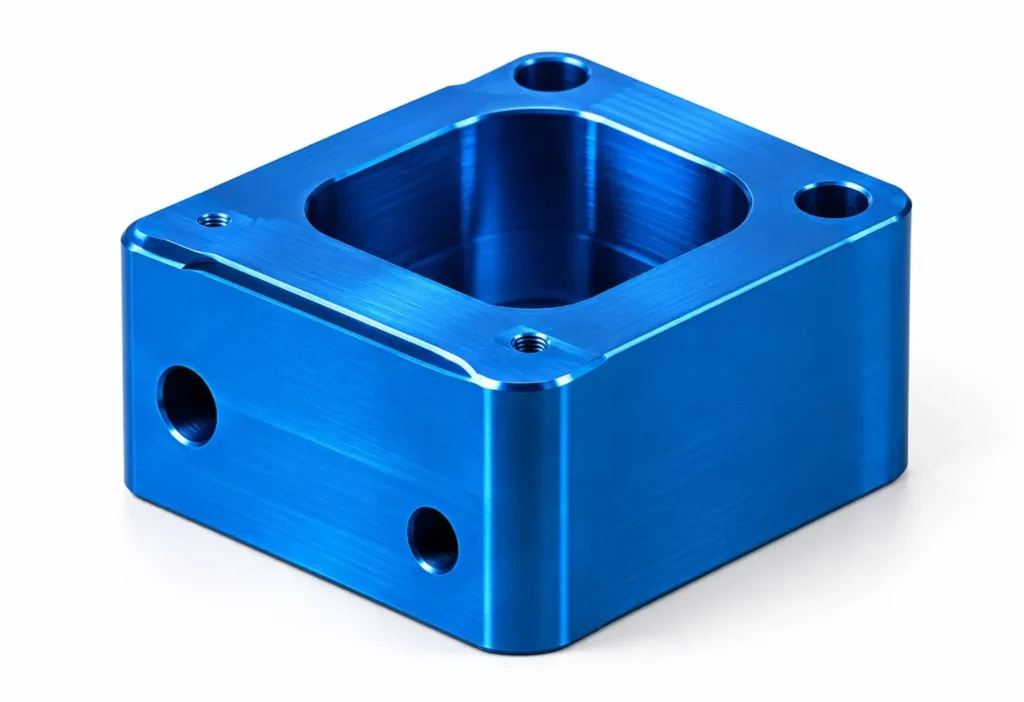
Anodizing
Common for aluminum CNC parts to improve appearance and corrosion resistance. Color, coating thickness, masking, and batch consistency should be reviewed.
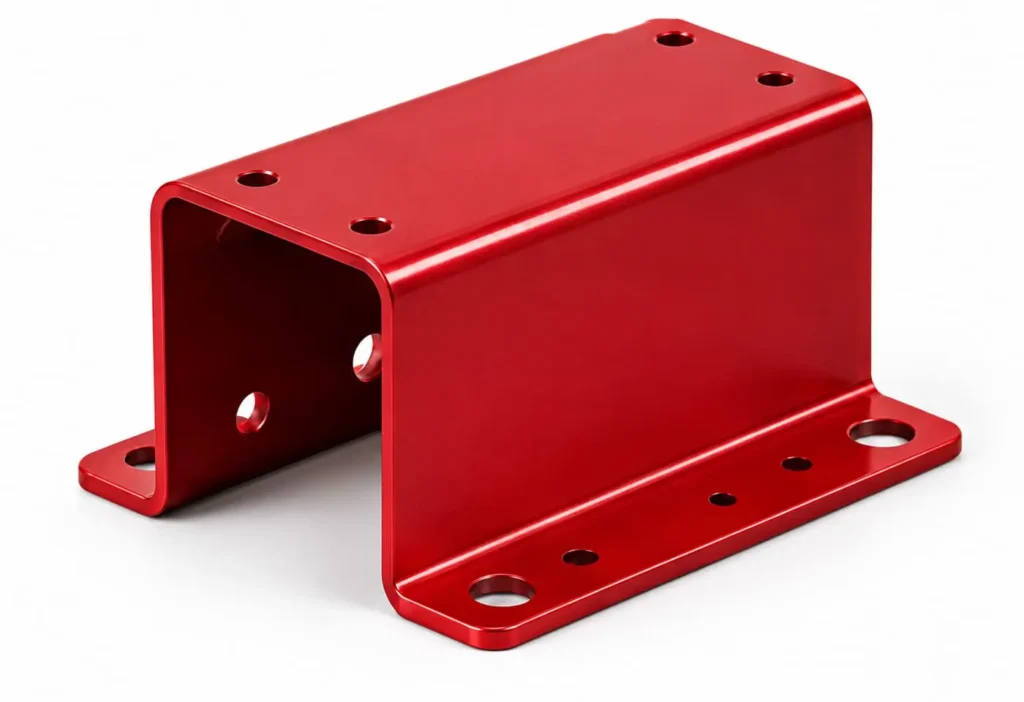
Powder Coating
Provides colored coating and surface protection for suitable parts. Coating thickness, masking, and cosmetic requirements should be reviewed.
Finish requirements should be reviewed before machining to avoid issues with appearance, masking, coating thickness, and assembly fit.
Common Surface Finishing Options for CNC Machined Parts
Scintra can support or coordinate common CNC machining surface finishes according to part material, geometry, function, appearance requirements, and production needs.
Why Finish Selection Matters
Enhances visual quality and supports your brand or product design.
STEP, STP, IGS, X_T or other suitable 3D file formats.
Affects friction, durability, and overall part performance.
Coatings and finishes can affect dimensional fit and critical tolerances.
Material and Finish Compatibility
Not every finish is suitable for every CNC material. Material grade, part geometry, functional surfaces, corrosion requirements, appearance expectations, and production quantity should be reviewed before selecting a surface finish.
Why Finish Selection Matters
Different alloys and polymers respond differently to finishes.
Operating environment and required lifespan.
Critical surfaces may limit finish options.
Aesthetic goals such as color texture, and reflectivity.
Prototype vs. high-volume can influence the best finish.
Some finishes can affect dimensions and tolerances.
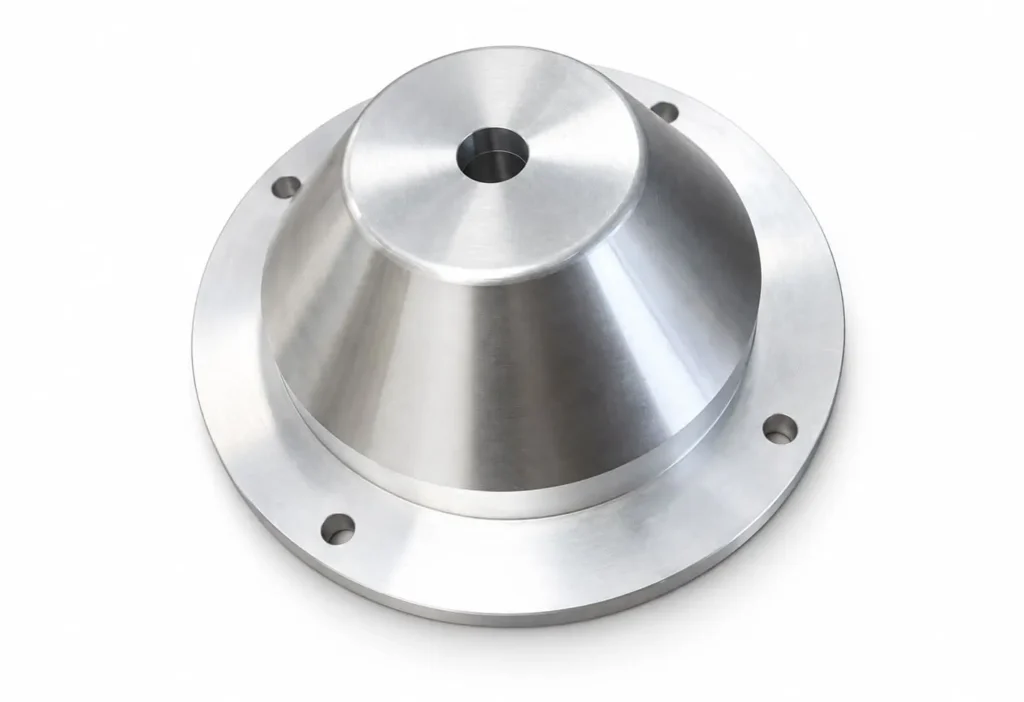
Aluminum
Available finishes include as machined, fine machined, bead blasting, anodizing, hard anodizing and powder coating.
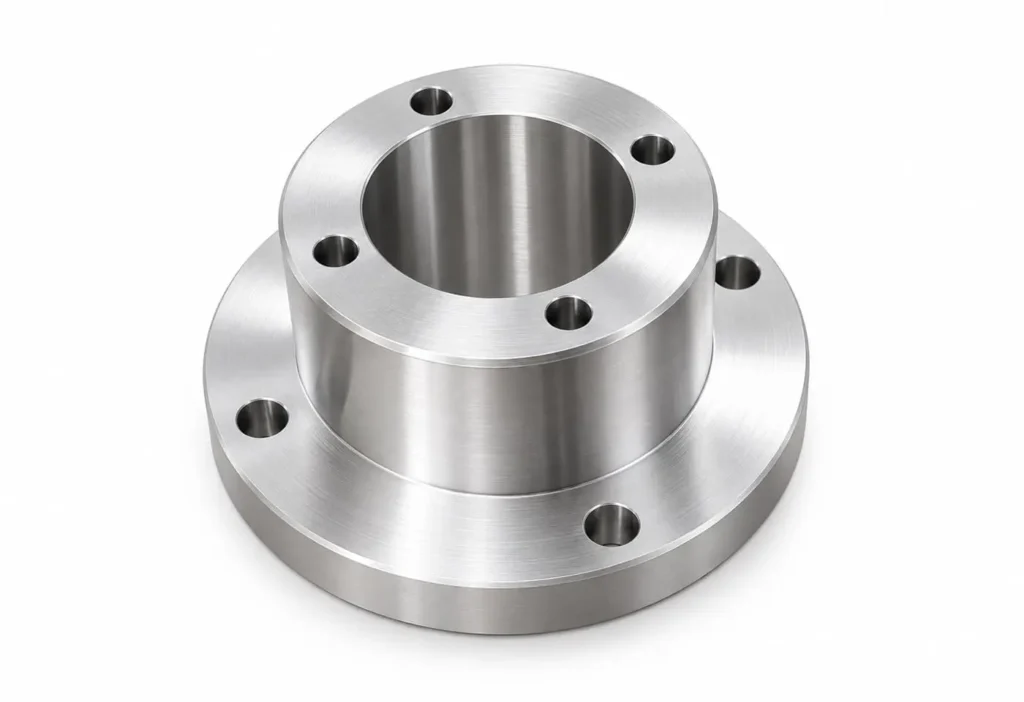
Stainless Steel
Common finishing include as machined, polishing, bead blasting, passivation, and selected plating.
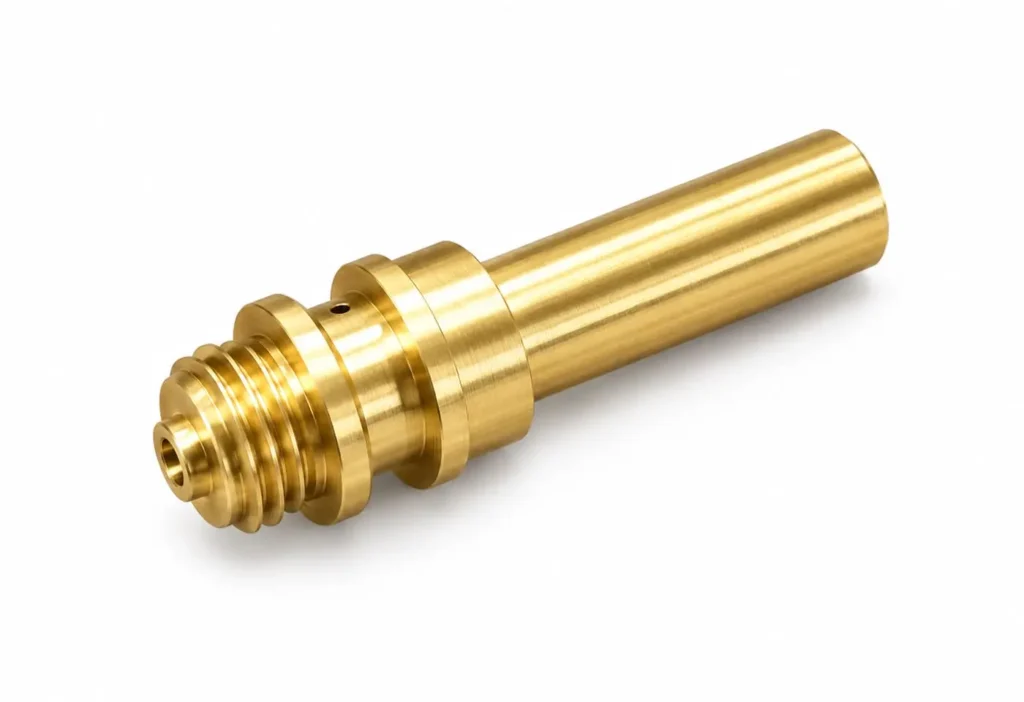
Brass
Available finishing include as machined, polishing, brushing, plating, and are often chosen forappearance and conductivity uses.
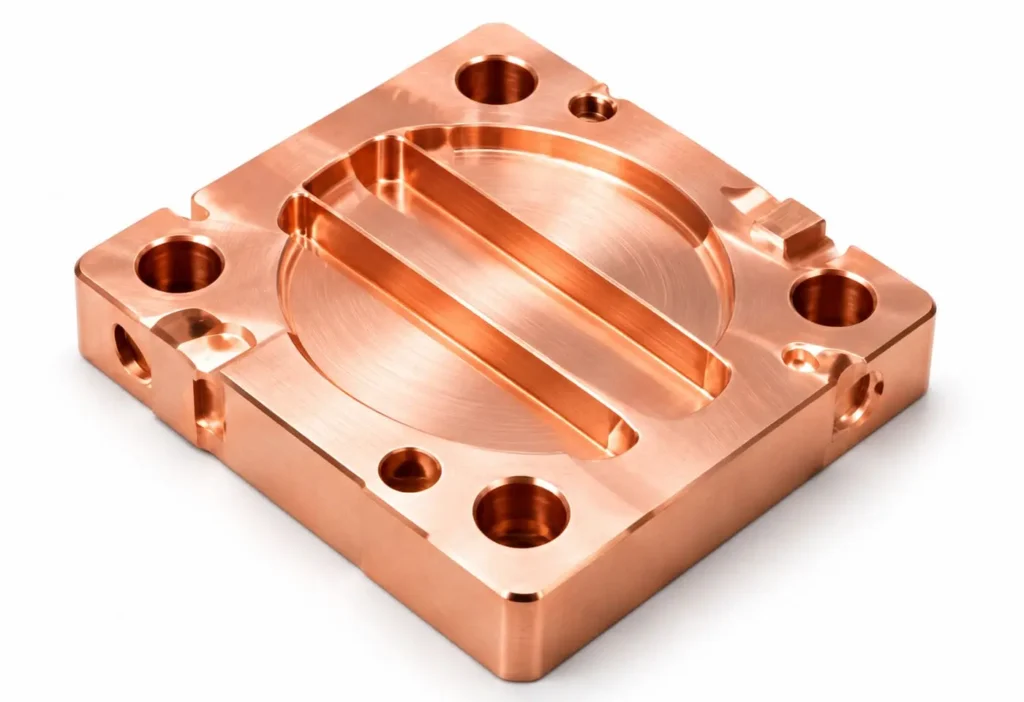
Copper
Common finishing include as machined, polishing, plating, or surface protection where conductivity or appearance matters.
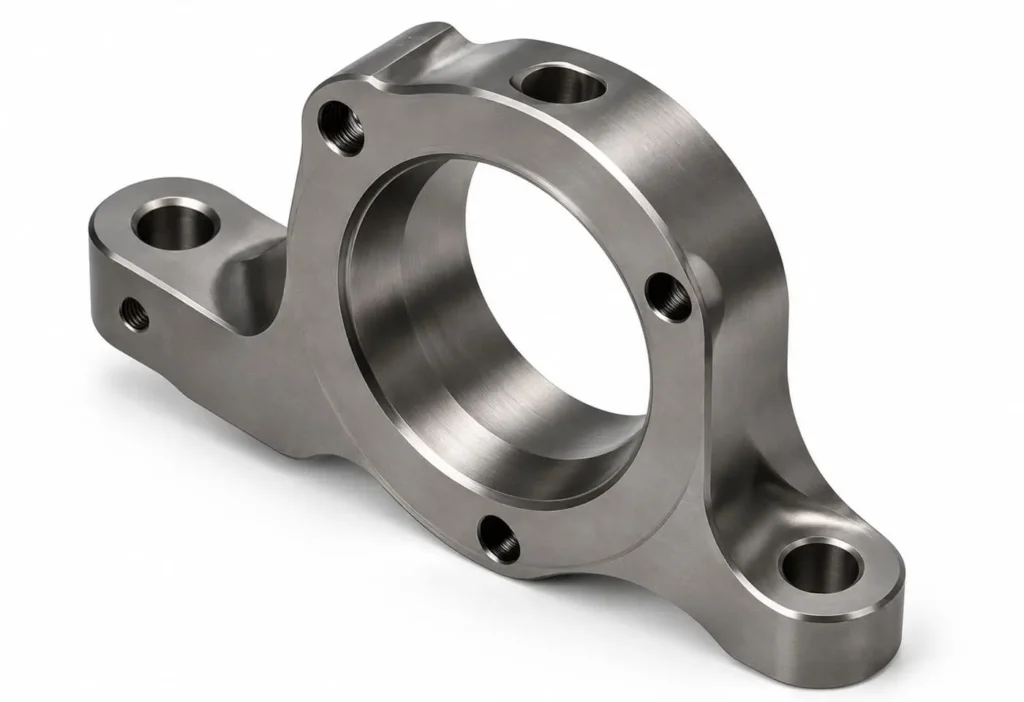
Titanium
Finishing options depend on material grade, function, appearance, and manufacturability.
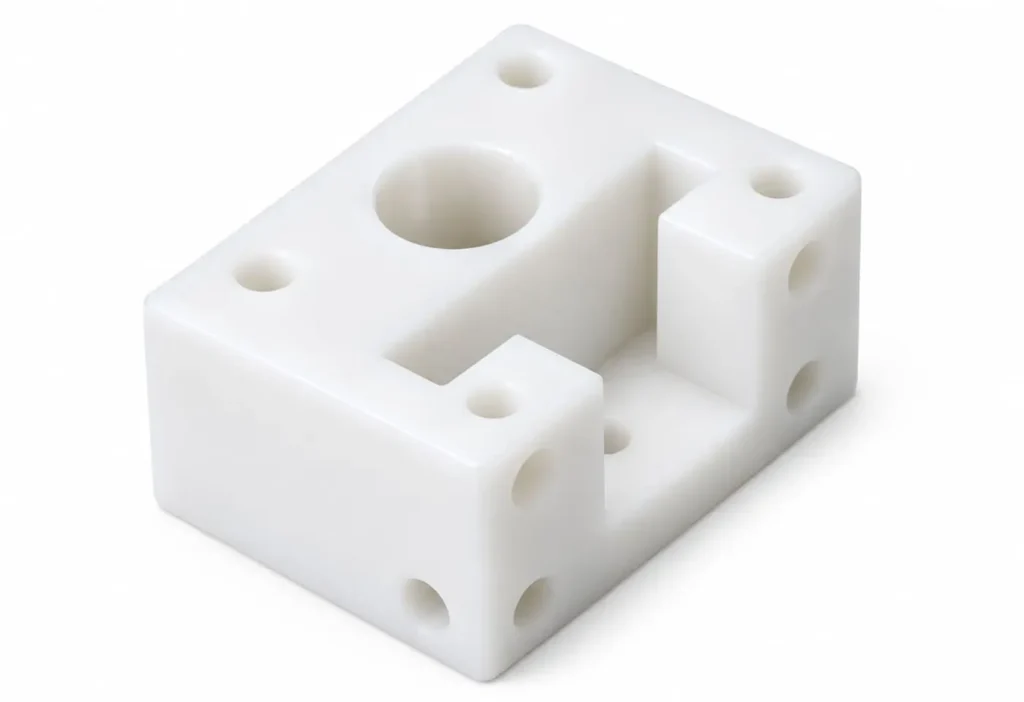
Engineering Plastics
Many plastic parts remain as machined, with limited deburring or polishing depending on application.
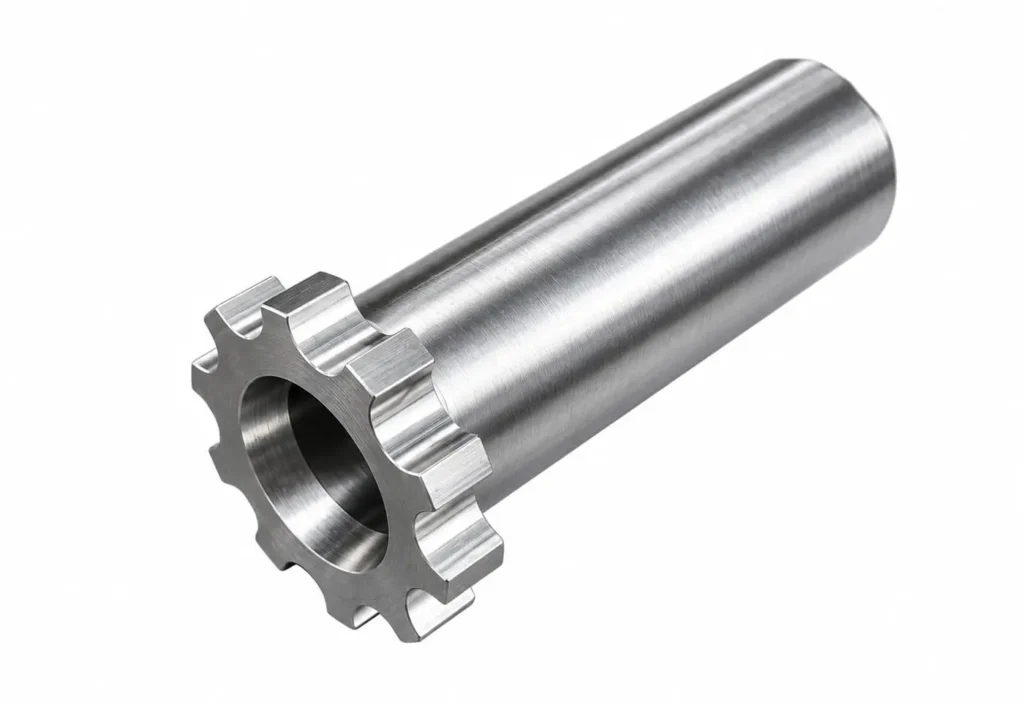
Alloy Steel
Available finishing include as machined, black oxide, plating, powder coating, or other protective finishes.
Finish selection should be reviewed together with material, drawing requirements, critical surfaces, and production needs
How Surface Finishing Affects Critical Dimensions
Surface finishing may change more than appearance. Coating thickness, blasting texture, polishing removal, plating buildup, masking, and protected areas can influence dimensions, threads, holes, mating surfaces, and assembly fit.
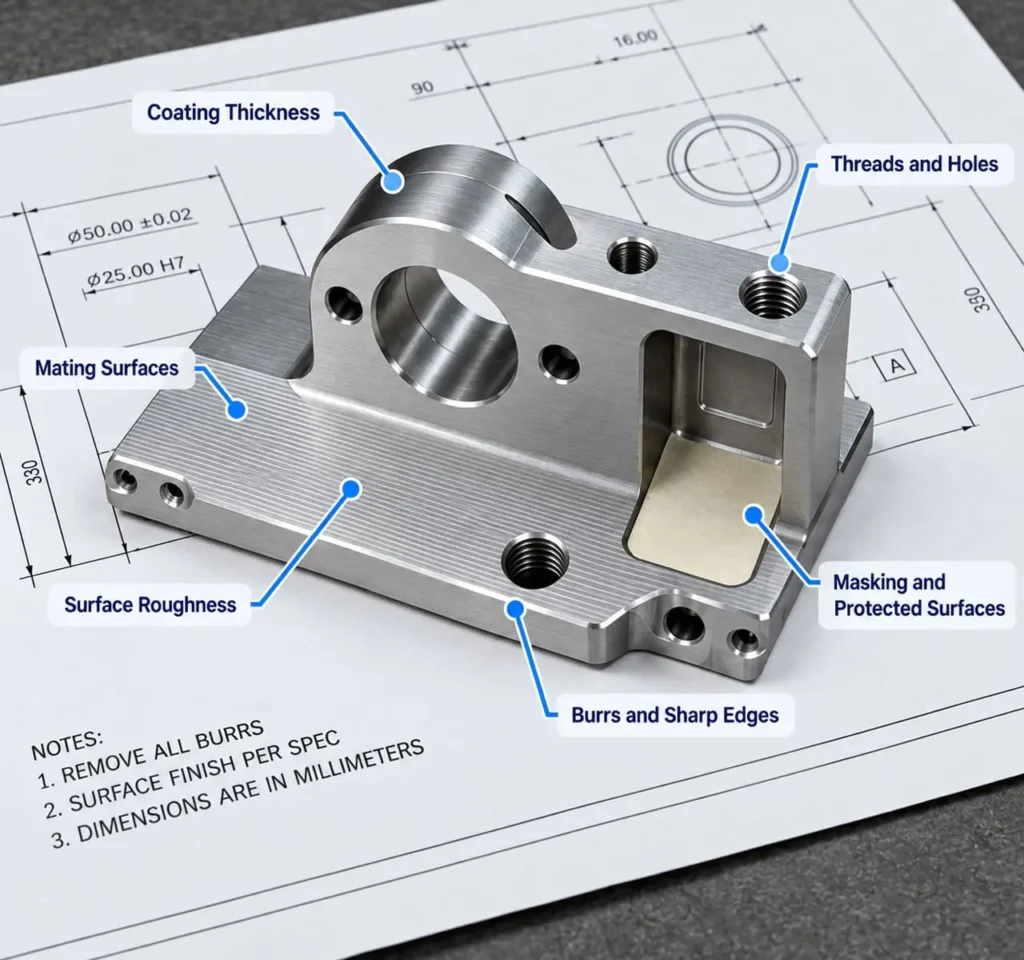
Coating Thickness
Anodizing, plating, or powder coating may add surface thickness that affects fit and tolerance-sensitive areas.
Threads and Holes
Threads, small holes, blind holes, and tight-fit bores may require protection, masking, or finish planning.
Mating Surfaces
Sealing surfaces, mounting faces, sliding surfaces, and datum areas may need controlled finishing or protection.
Surface Roughness
Ra or surface roughness requirements should be defined when friction, sealing, coating adhesion, or appearance matters.
Burrs and Sharp Edges
Deburring and edge treatment should be coordinated with finish and assembly requirements.
Masking and Protected Surfaces
Areas that should not be coated, blasted, polished, or chemically treated should be identified before production.
See our Quality Control process for finish measurement and verification.
Surface Finishing for Prototype and Production Orders
Prototype finishing helps confirm whether the selected finish matches the part function and appearance expectations. Production finishing focuses more on consistency, batch appearance, protected surfaces, inspection, packaging, and repeat-order requirements.
Validate the right finish for your part before production.
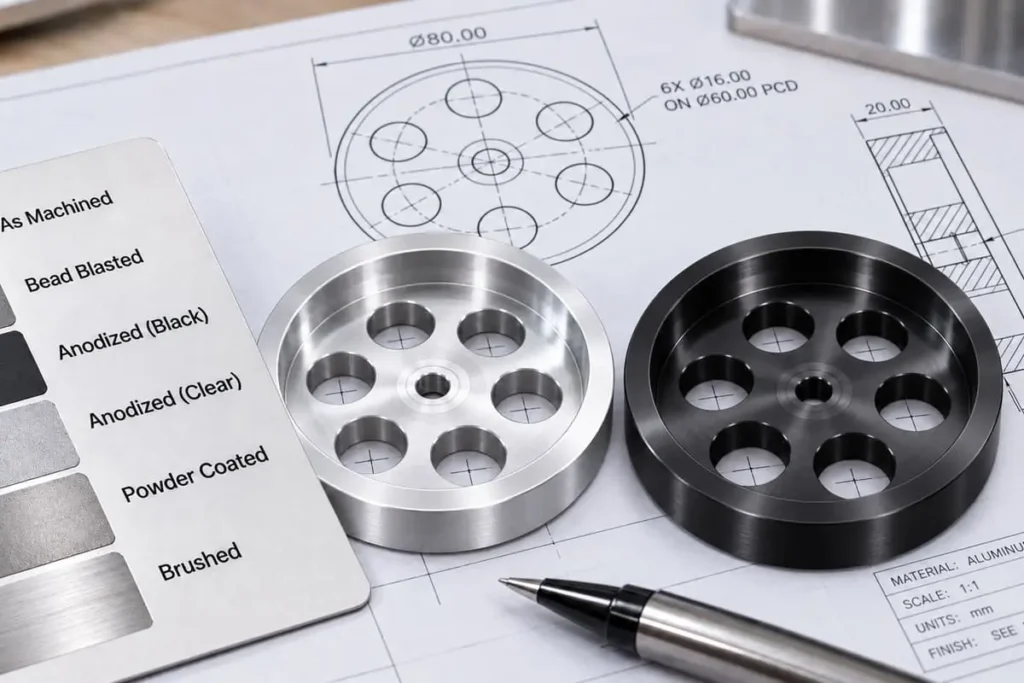
Maintain consistent appearance and quality across every batch.
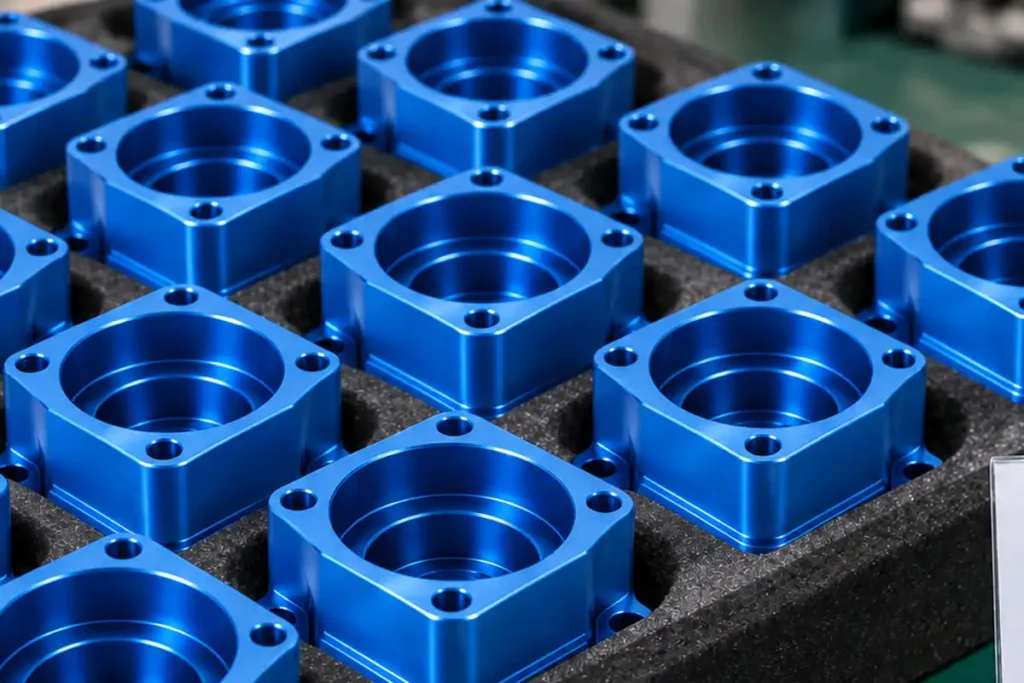
Related topic: production surface finish consistency
Learn more on our CNC Production Machining page
Surface Finish Quality Review
After surface finishing, parts may be reviewed for appearance, scratches, burrs, coating coverage, color or texture consistency, threads, holes, mating surfaces, protected areas, and drawing requirements. Inspection depth depends on project requirements.
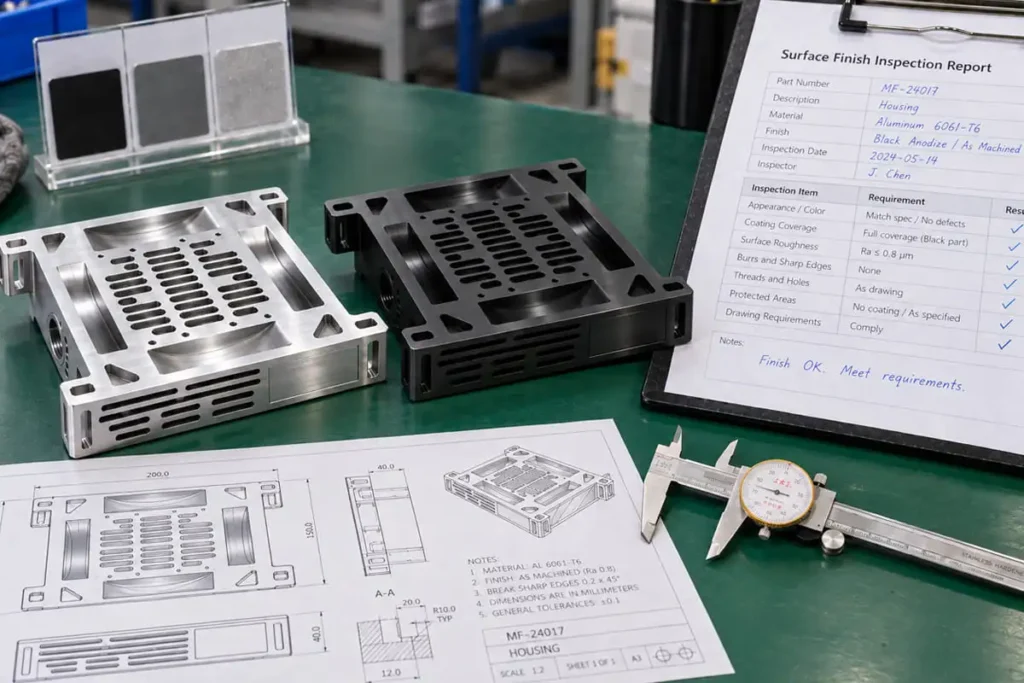
Share your drawings, finish references, and inspection expectations. We’ll recommend the right inspection approach for your project.
Review visible surfaces, color, gloss, texture, scratches, stains, and handling marks where required.
Compare finished parts with approved samples or reference requirements when available.
Review cosmetic areas and protected surfaces before packaging and shipment.
Check whether edge condition remains suitable after machining and finishing.
Review threaded features, holes, masked areas, and mating surfaces after finishing where required.
Check whether coating or surface treatment coverage meets the specified project requirements.
Selected functional surfaces may be reviewed for roughness requirements when specified.
Scratch-sensitive parts may require protective bags, separation, foam, trays, or special handling.
What to Send for Surface Finish Review
Clear finish requirements help Scintra review material compatibility, machining allowance, masking, surface appearance, tolerance impact, inspection needs, and packaging before production.
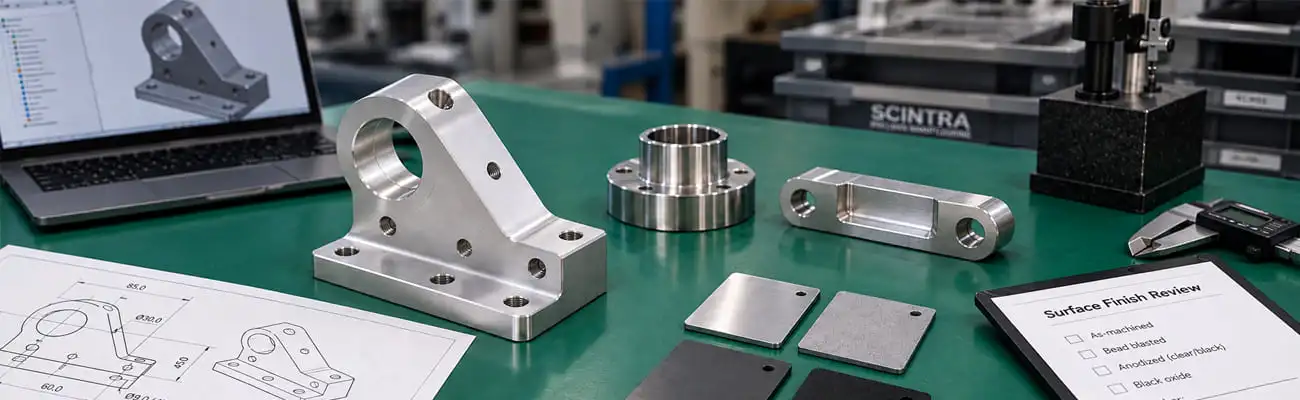
Part Information
Help us understand your design, material and finish goals.
Include finish callouts and key dimensions.
STEP, IGES or native files.
Specify alloy or material type.
e.g. anodize, bead blast, polish, black oxide.
Surface Requirements
Tell us how the part should look and perform.
Provide Ra or surface roughness requirements
Share a sample or reference ifavailable
Mark visible / appearance-critical areas on drawing or by notes.
Identify mating, sealing, sliding, datum & other functional features.
Additional Details
Help us plan for manufacturing, inspection and delivery.
Indicate areas to protect from finishing
e.g. fit, electrica contact, coating build.
Telus your expected volume
e.g. finish inspection report, certificates.
e.g. individual bags, foam, dviders
Share your drawings, finish notes, and any samples. Our team will review and confirm the best approach for your part.
Frequently Asked Questions About CNC Surface Finishing
These answers help you review finish options, material compatibility, tolerance impact, masking, and finishinspection for custom CNC machined parts.
What surface finishes are available for CNC machined parts?
Scintra supports or coordinates common CNC machining surface finishes such as as machined, fine machined, bead blasting, polishing, anodizing, hard anodizing, passivation, plating, black oxide, and powder coating depending on material and project requirements.
How do I choose a surface finish for a CNC part?
Surface finish selection should consider material, part function, corrosion resistance, wear behavior, appearance, surface roughness, critical surfaces, tolerance requirements, cost, and production needs.
Does surface finishing affect CNC machining tolerances?
Yes. Some finishes may affect dimensions through coating thickness, material removal, surface texture, or buildup. Threads, holes, mating surfaces, and tight-fit areas should be reviewed before finishing.
Which finishes are suitable for aluminum CNC parts?
Aluminum CNC parts may use as machined, fine machined, bead blasting, anodizing, hard anodizing, powder coating, or other suitable finishes depending on application requirements.
Which finishes are suitable for stainless steel CNC parts?
Stainless steel CNC parts may use as machined, polishing, bead blasting, passivation, or selected plating options depending on the part and requirements.
Do threads or holes need masking before surface finishing?
Threads, precision holes, blind holes, mating surfaces, or tight-fit areas may require masking or protection depending on the finish and tolerance requirements.
Can you match a surface finish sample?
A sample or reference image can help communicate finish expectations. Final feasibility depends on material, finish type, supplier process, and production requirements.
How do you control surface finish consistency for repeat orders?
Production finish consistency can be supported by approved samples, clear drawing notes, material consistency, masking requirements, inspection expectations, packaging, and repeat-order records.
Do you inspect parts after surface finishing?
Finished parts can be reviewed for appearance, scratches, burrs, coating coverage, threads, holes, mating surfaces, and other project-specific requirements.
What should I send for surface finish review?
Please send drawings, CAD files, material grade, finish type, color or texture sample, critical surfaces, masking requirements, surface roughness requirements, quantity, and inspection or packaging needs where available.
Review Your Surface Finish Requirements
Send your drawings, CAD files, material grade, required finish, surface roughness notes, color or texture sample, masking areas, critical surfaces, inspection needs, and production quantity. Scintra will review your surface finish requirements and discuss suitable finishing, inspection, and production considerations before machining.