 Skip to content

Custom Aluminum CNC Parts
Scintra manufactures custom aluminum CNC parts from customer drawings, samples, and CAD files, including housings, enclosures, brackets, heat sinks, precision blocks, and turned components. We support CNC milling, turning, and Swiss CNC machining for prototypes, batch production, and repeat orders. These are custom non-standard parts, not stock products.
Common grades such as 6061 and 7075 can be reviewed together with critical dimensions, anodizing, masking, inspection, and production requirements before machining.
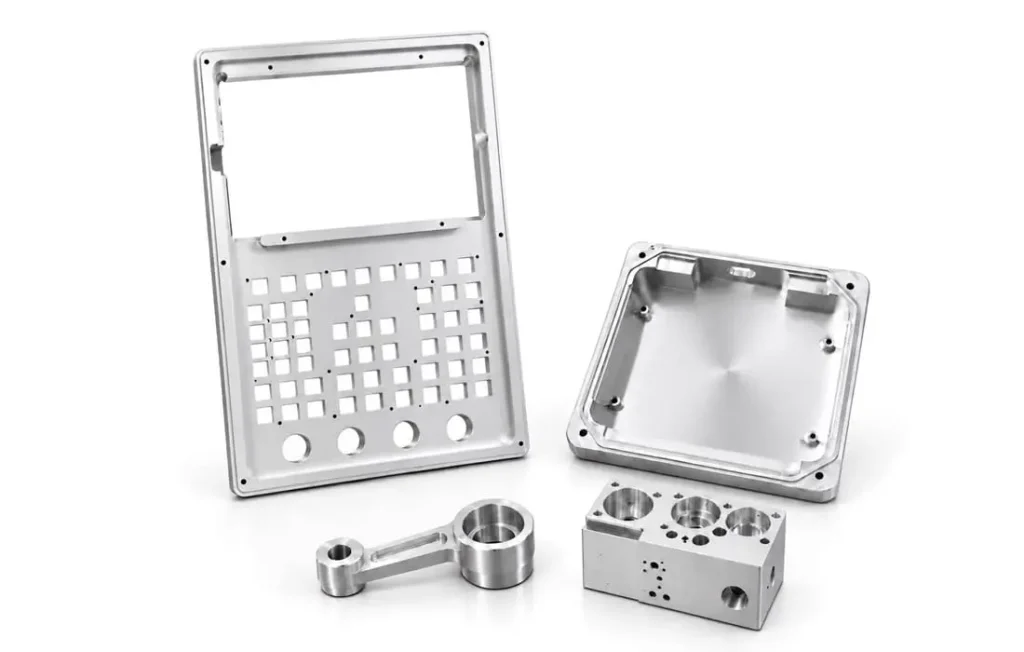
Why Aluminum Is Commonly Used for CNC Machined Parts
Aluminum is commonly selected for CNC machined parts because of its lower weight, practical machinability, useful mechanical strength, corrosion resistance, and compatibility with anodizing and other finishes. The best aluminum grade dependson the specific requirements of the part.
Reduces component mass in housings, brackets, moving assemblies, robotics components.
Supports pockets, holes, threads, contours, and multi-face geometries.
Provides useful mechanical strength without the weight of many steel parts.
Grades such as 6061 can provide practical corrosion resistance and work with protective finishes.
Supports bead blasting, anodizing, hard anodizing, powder coating, and polishing.
Often suitable for heat sinks, electronics housings, and heat-transfer-related applications.
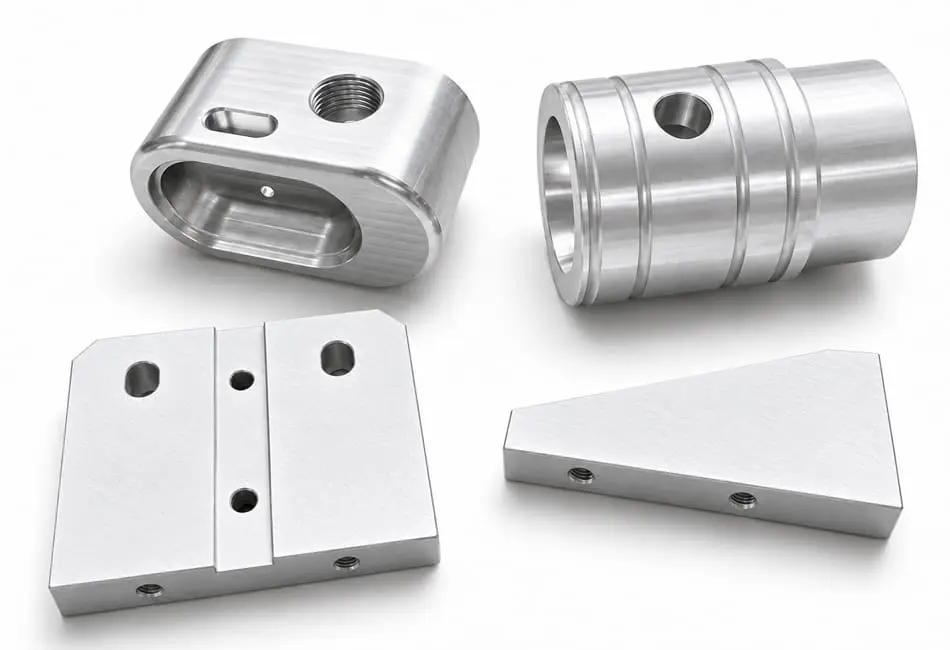
Suitable for housings, brackets, heat sinks,and structural components.
Aluminum Grades for CNC Machining
Aluminum grade selection affects machining behavior, mechanical strength, corrosion resistance, finishing results, material cost, and the final performance of the part. Rather than selecting an alloy from strength data alone, the grade should be reviewed together with geometry, function, surface finishing, and production requirements.
| Property | 6061 / 6061-T6 General Purpose | 7075 / 7075-T6 Higher Strength | 2024 | 5052 | 6082 |
|---|---|---|---|---|---|
| Typical focus | General CNC parts | Higher-strength mechanical parts | Selected high-strength applications | Corrosion resistance and formability | Structural applications |
| Machinability | Good for CNC machining | Good | Good | Moderate | Good |
| Strength level | Moderate | Higher than 6061 | High | Lower | Moderate-high |
| Corrosion resistance | Good | Lower than 6061 | Lower | Good | Good |
| Finishing suitability | Good anodizing flexibility | Review for cosmetic anodizing | Review by project | Review by geometry and process | Good for suitable finishes |
| Typical applications | Housings, brackets, enclosures, heat sinks | High-strength components | Selected mechanical components | Sheet-related or corrosion-resistant parts | Structural parts |
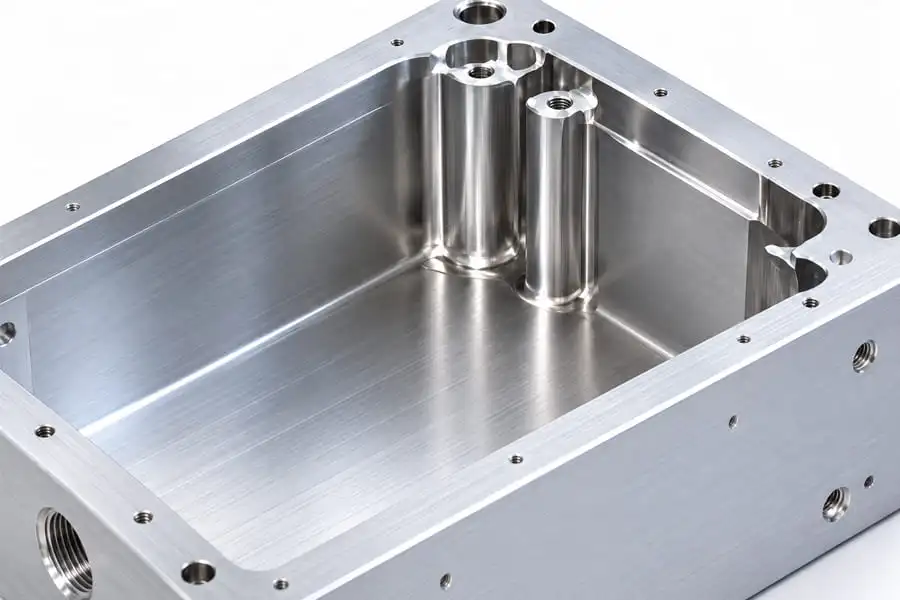
General-Purpose Grade
A practical choice for many CNC machined aluminum parts, with good machinability, corrosion resistance, and finishing flexibility. Commonly used for housings, brackets, enclosures, heat sinks, and precision blocks.
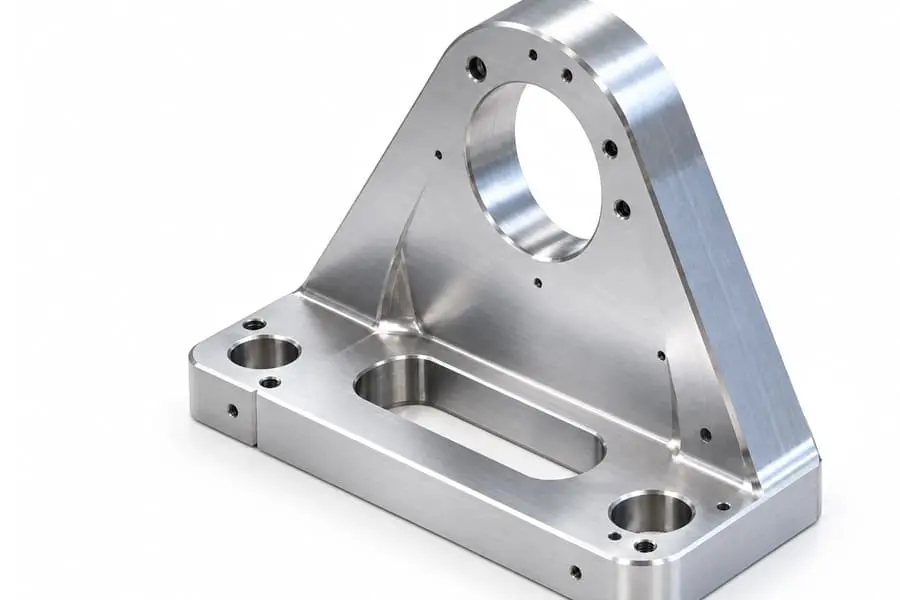
Higher-Strength Option
Considered for selected mechanical components where higher strength-to-weight ratio is required. Material cost, corrosion behavior, and cosmetic finishing requirements should be reviewed before use.
Other grades such as 2024, 5052, and 6082 can also be reviewed depending on project requirements and material availability.
6061 vs 7075 for CNC Machined Parts
6061 and 7075 are both commonly considered for CNC machined aluminum components, but neither alloy is universally better.
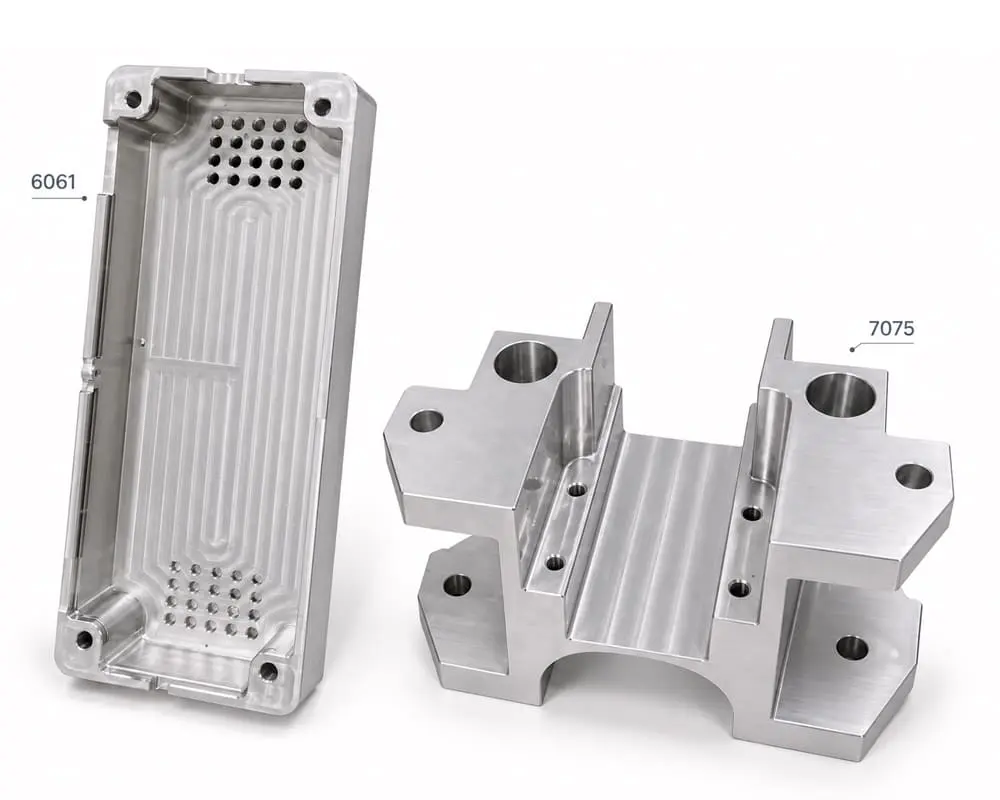
| Consideration | 6061 GENERAL PURPOSE | 7075 HIGH PERFORMANCE |
|---|---|---|
| ⚙️ Machinability | Practical for a wide range of CNC parts | Suitable for precision machining |
| 📊 Strength | Suitable for many general mechanical applications | Higher strength where loading is a key requirement |
| 🛡️ Corrosion resistance | Often suitable for general environments | Requires closer review according to application |
| ✨ Finishing | Broad finishing flexibility, including anodizing | Finishing requirements should be reviewed carefully |
| 🔗 Welding | More practical where welding is required | Generally less suitable where welding is important |
| 💰 Cost | Often more economical | Typically higher material cost |
| 📦 Typical use | Housings, brackets, blocks, heat sinks, general hardware | Higher-load structural or mechanical components |
For a housing or bracket where machining, corrosion resistance, anodizing, and cost all matter, 6061 is often the more practical choice.
Where the component must carry higher mechanical loads without a major increase in weight, 7075 may be worth reviewing.
The final decision should consider loading, geometry, environment, finishing, assembly requirements, production quantity and budget.
Get expert guidance on the right material for your CNC machined part.
Custom Aluminum CNC Parts We Manufacture
Scintra manufactures non-standard aluminum components according to customer drawings, CAD files, approved samples, material specifications, and functional requirements. These are custom-manufactured parts rather than stock products.
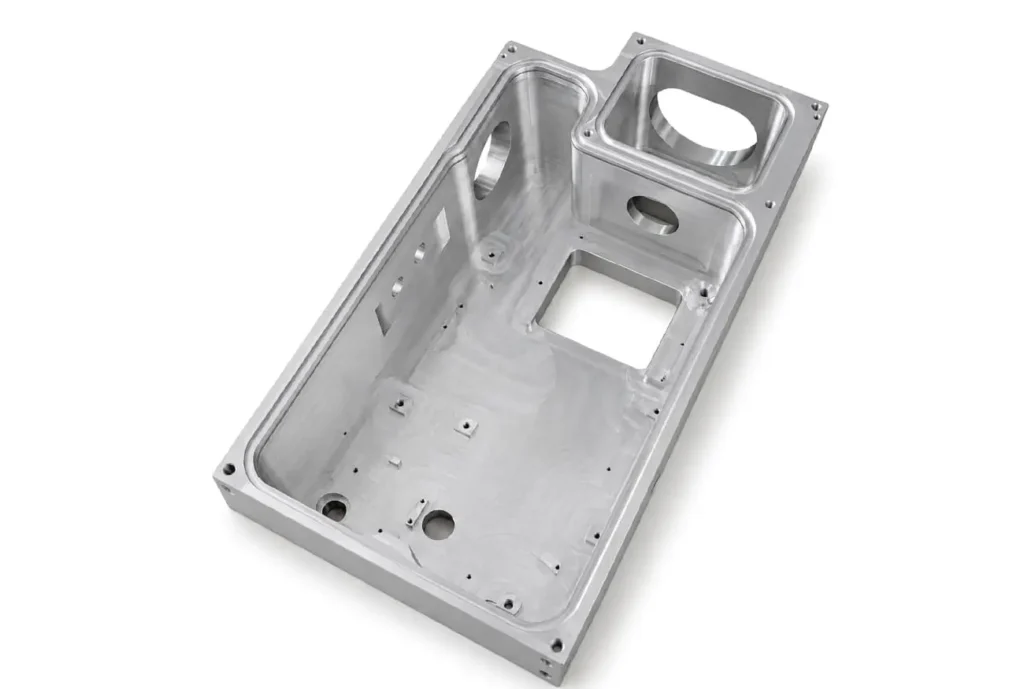
Housings & Enclosures
cavity dimensions, mounting-hole position, wall thickness, flatness, connector openings, and cosmetic anodized surfaces.
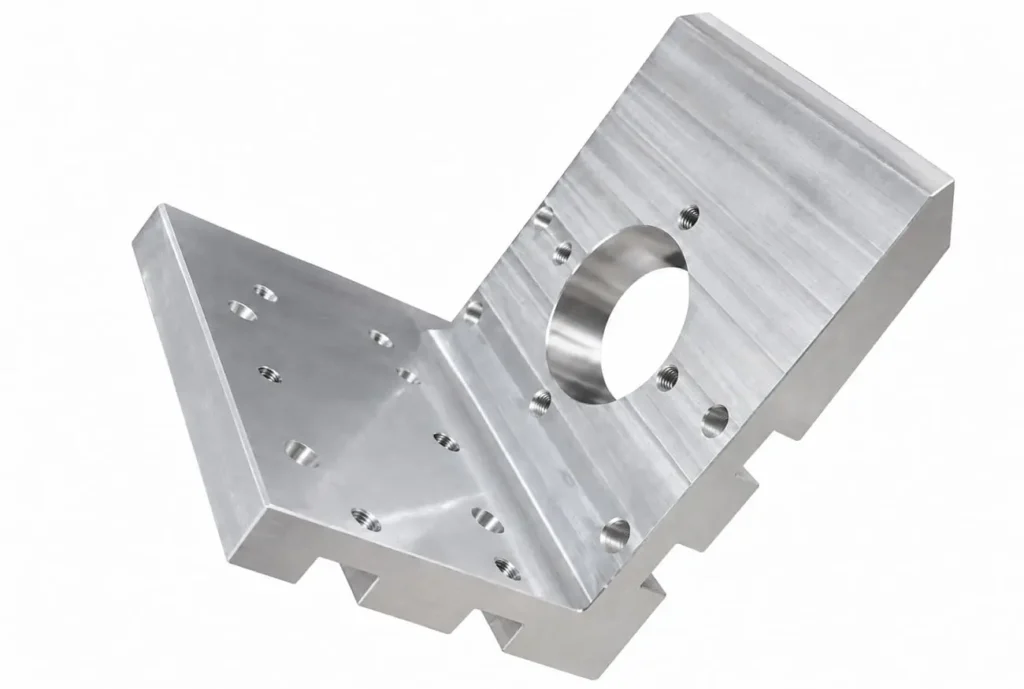
Brackets & Mounting Plates
Hole position, perpendicularity, flatness, countersinks, mounting geometry, and assembly interfaces may require closer review.
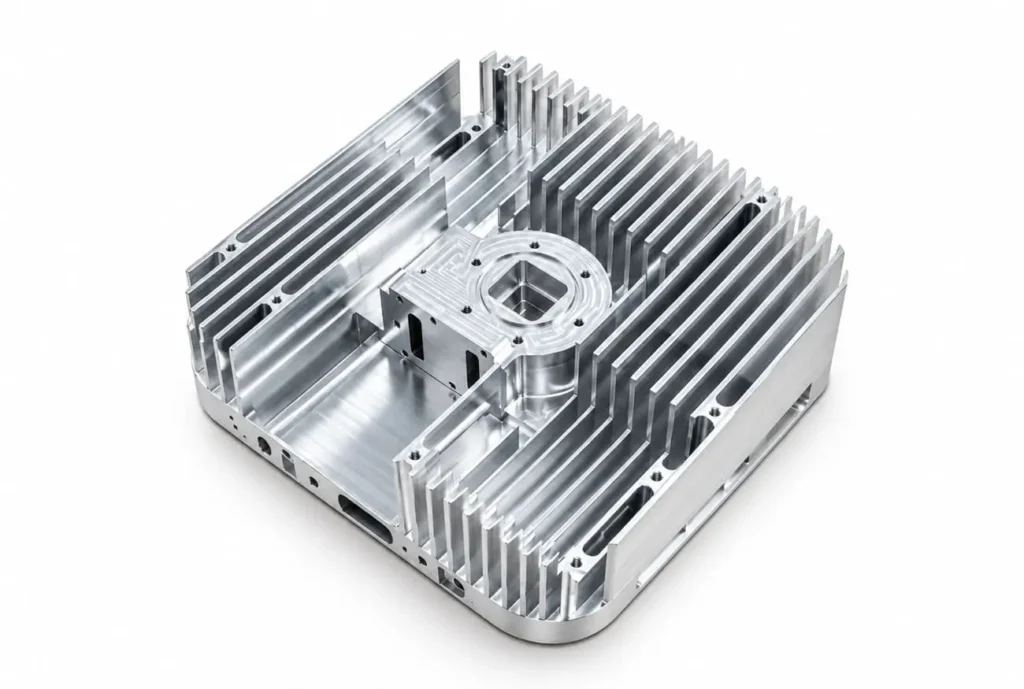
Heat Sinks
Fin geometry, thermal-contact surfaces, base flatness, hole positions, and anodizing requirements can influence the machining and finishing plan.
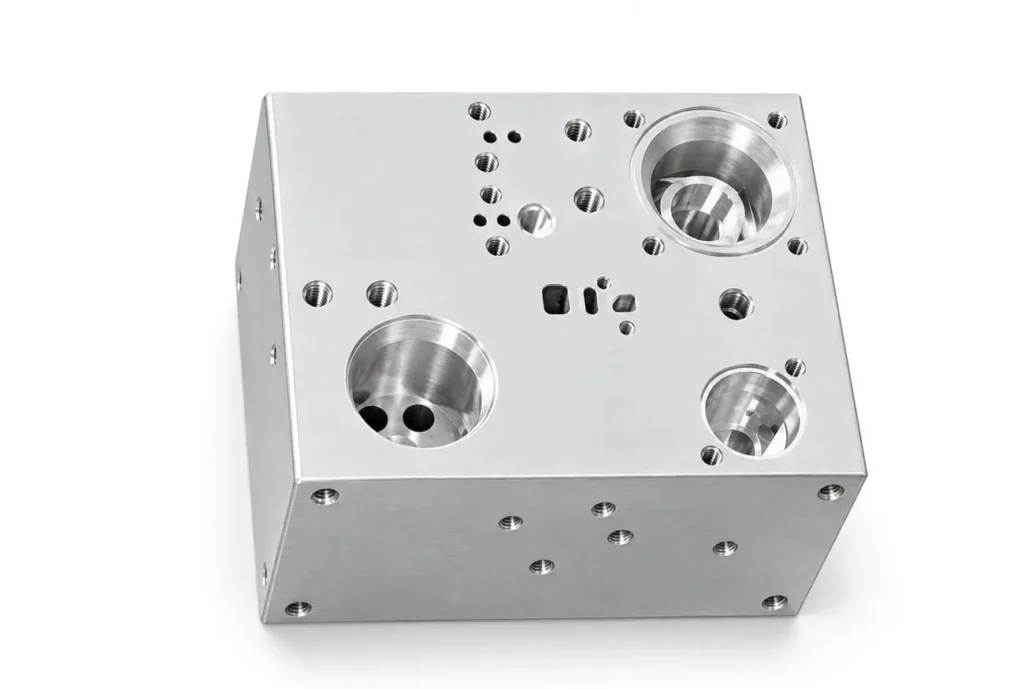
Precision Blocks
Multi-side dimensions, perpendicularity, hole position, flatness, and repeated setup accuracy may be important.
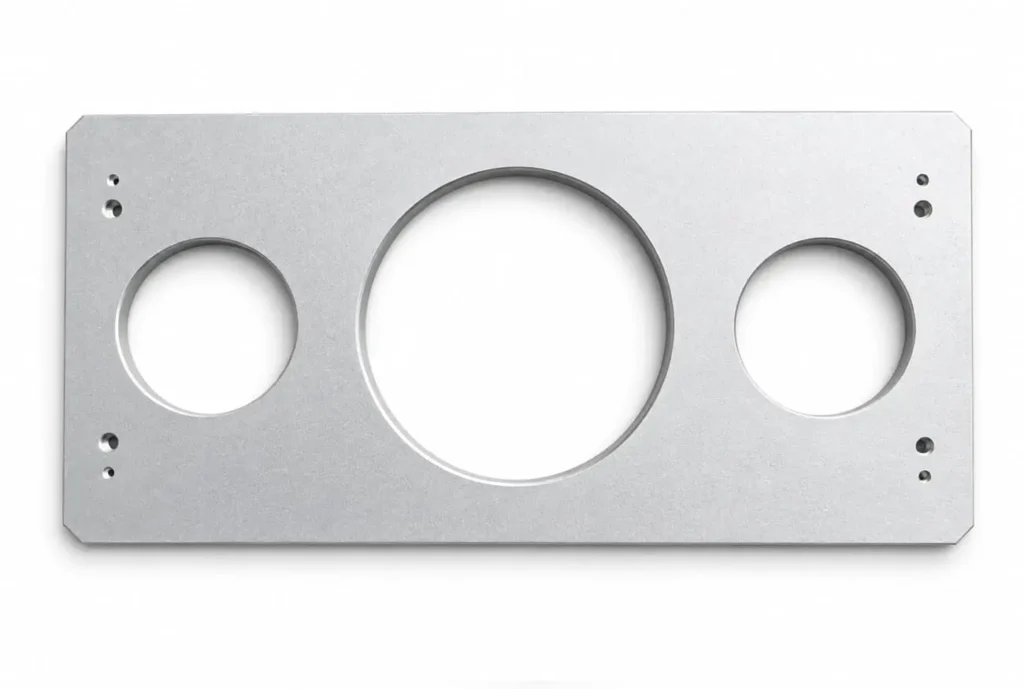
Covers & Panels
Thin sections, flatness, cutouts, countersinks, mounting holes, and cosmetic surfaces often need to be considered together.
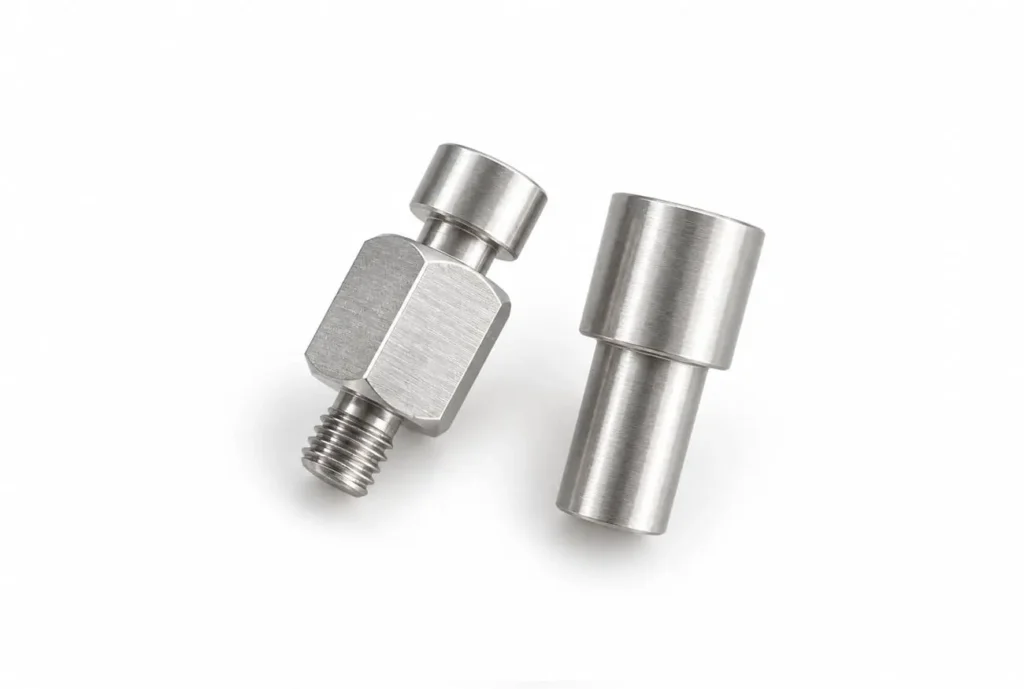
Turned Aluminum Parts
Diameters, threads, grooves, shoulders, concentricity, and surface finish may be important for shafts, sleeves, spacers, and other rotational parts.
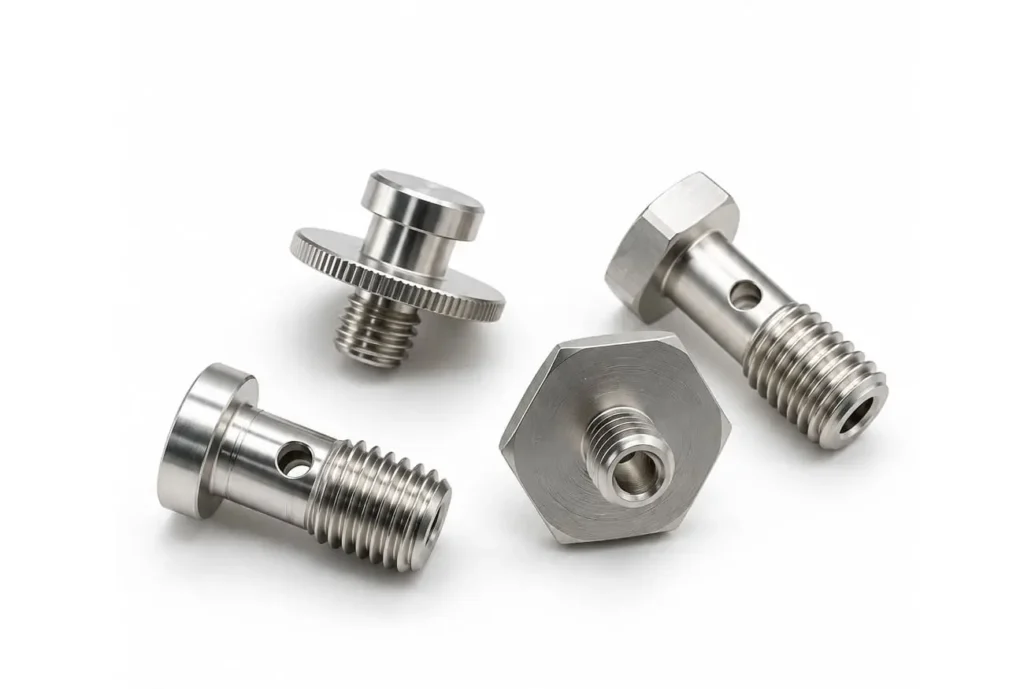
Connectors & Custom Hardware
Thread fit, hole geometry, assembly interfaces, burr control, and finishing requirements may be critical.
Share your drawing or sample for part review.
CNC Processes for Custom Aluminum Parts
Different aluminum parts require different machining processes depending on geometry, feature access, diameter, quanity, andfunctional requirements.
We help you select the right process, or a combination of processes, to achieve the best balance of precision, performance, and cost for your application.
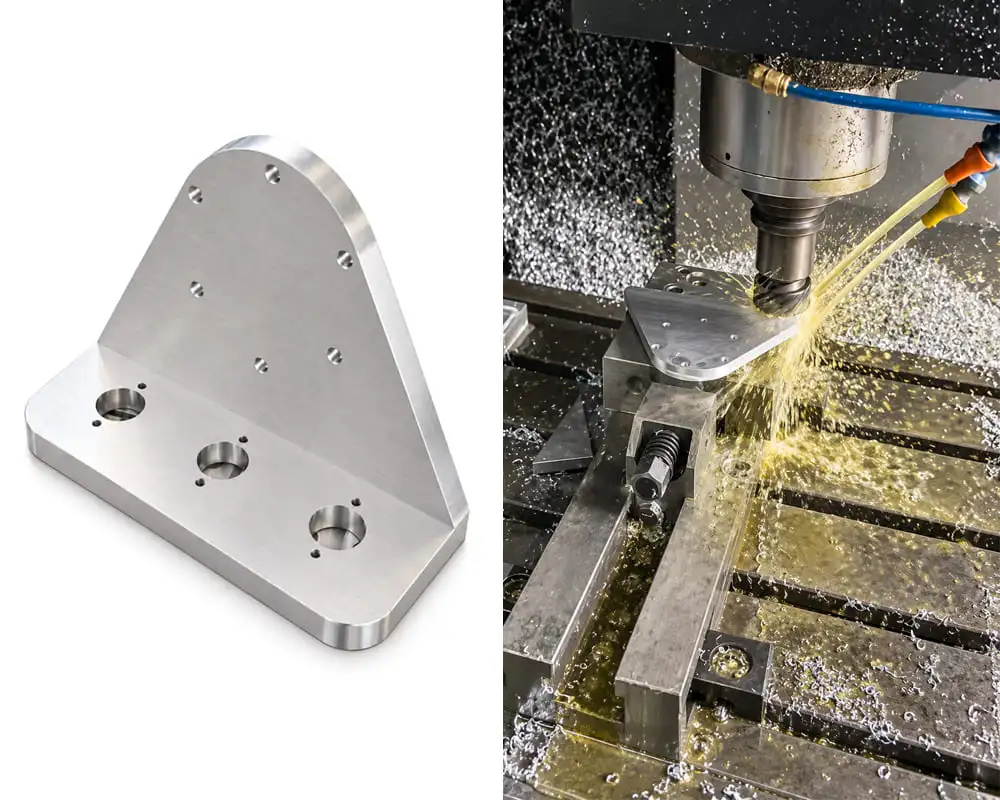
CNC Milling for Aluminum Parts
Ideal for housings, enclosures, brackets, mounting plates, heat sinks, precision blocks, and multi-face components with complex features and tight tolerances.
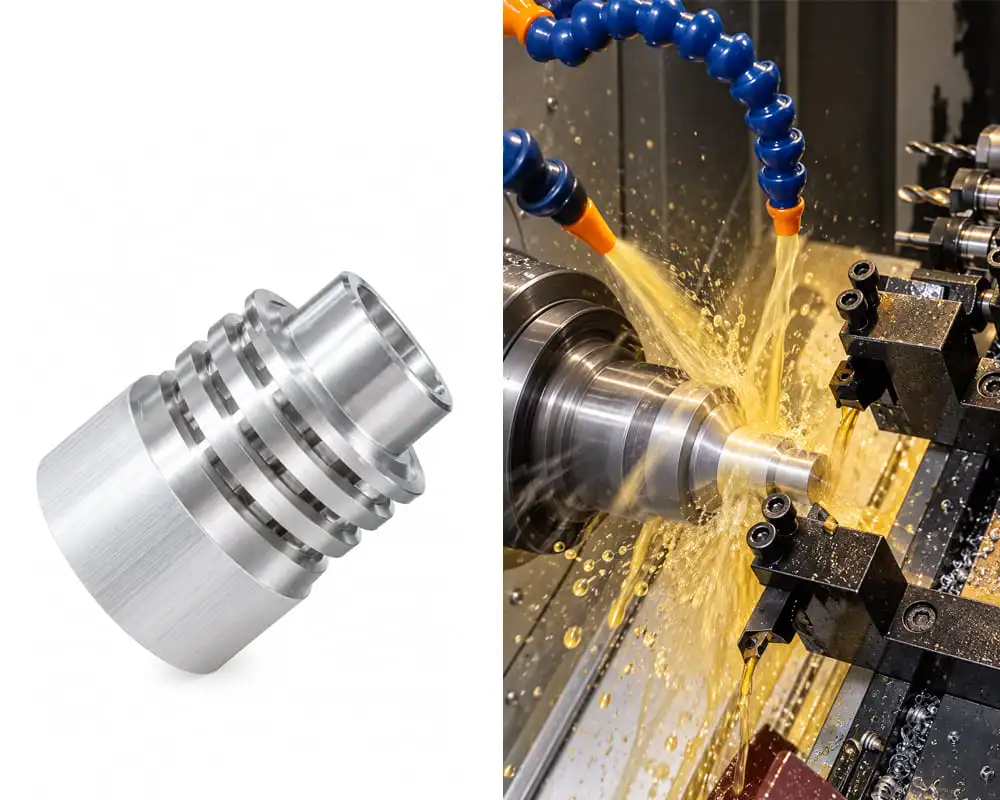
CNC Turning for Aluminum Parts
Ideal for shafts, sleeves, spacers, pins,connectors, and rotational components where diameters, threads, grooves, or concentricity matter.
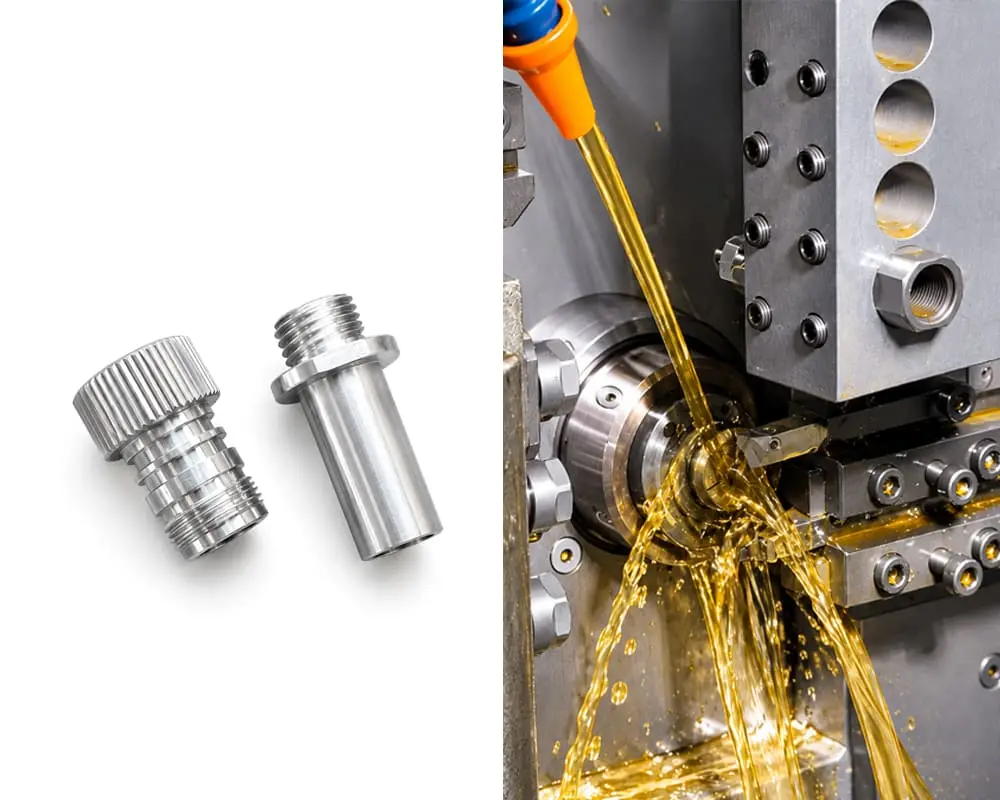
Swiss CNC Machining for Small Aluminum Parts
Well-suited for selected small pins, miniature shafts, sleeves, connectors, and small threaded components that require high precision and repeatability.
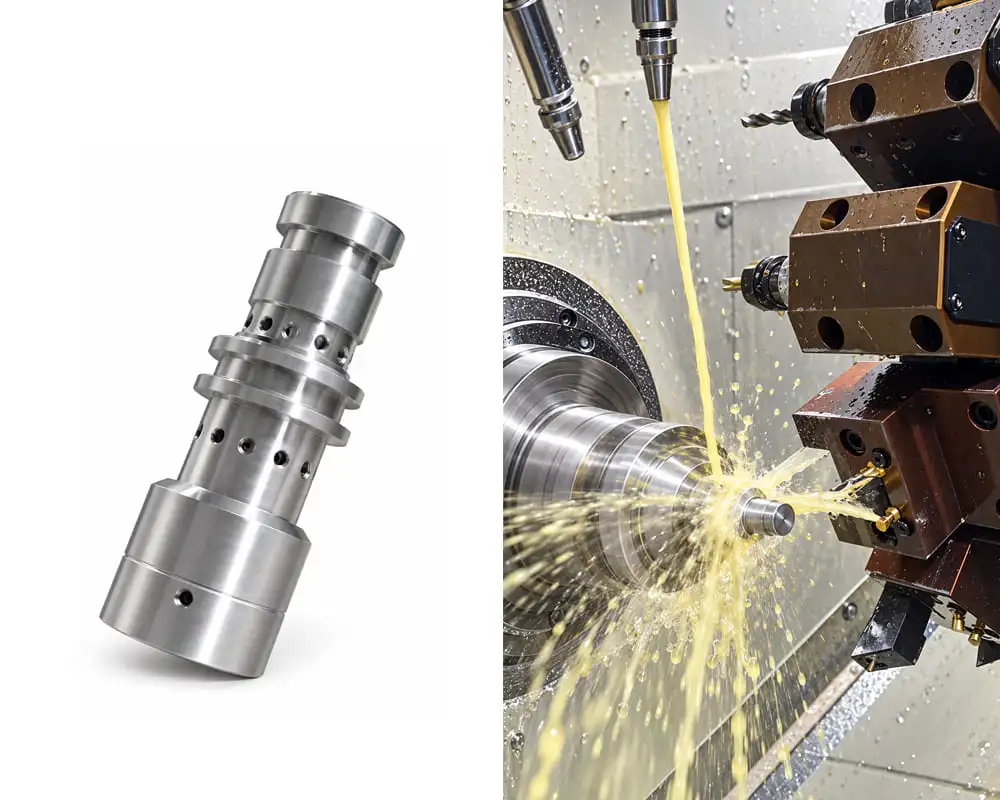
Combined Machining Operations
Some aluminum components require coordinated milling, turning, drilling, tapping, reaming, chamfering, or other secondary operations to meet all functional and assembly requirements.
3-Axis CNC Milling Capacity
Work envelope up to
650 x 400 x 500 mm
4-Axis CNC Milling Capacity
Machining capacity up to
200 × 120 mm
DFM Considerations for Aluminum CNC Parts
An aluminum part can be machinable while still containing features that increase distortion risk, machining time, inspection effort, or finishing difficulty. Reviewing wall thickness, pocket depth, holes, threads, internal radii, flatness, and tool access before machining can help identify manufacturability risks and reduce avoidable revisions.
Key DFM Areas for Aluminum Parts
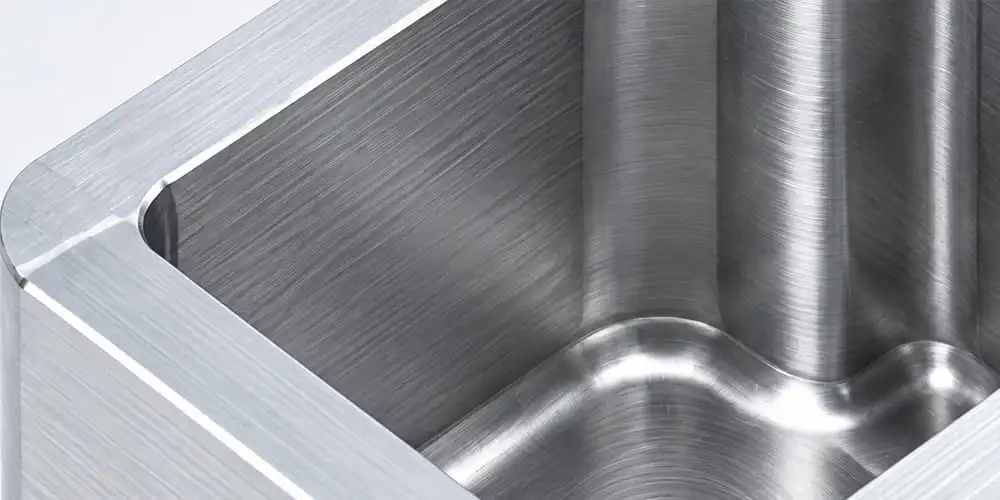
Wall & Pocket Geometry
Thin walls may move during machining orclamping, while deep pockets can require longer tools and increase vibration, cycle time,and corner-radius limitations.
- Thin walls
- Deep pockets
- Wall thickness and fixture support
- Internal corner radius
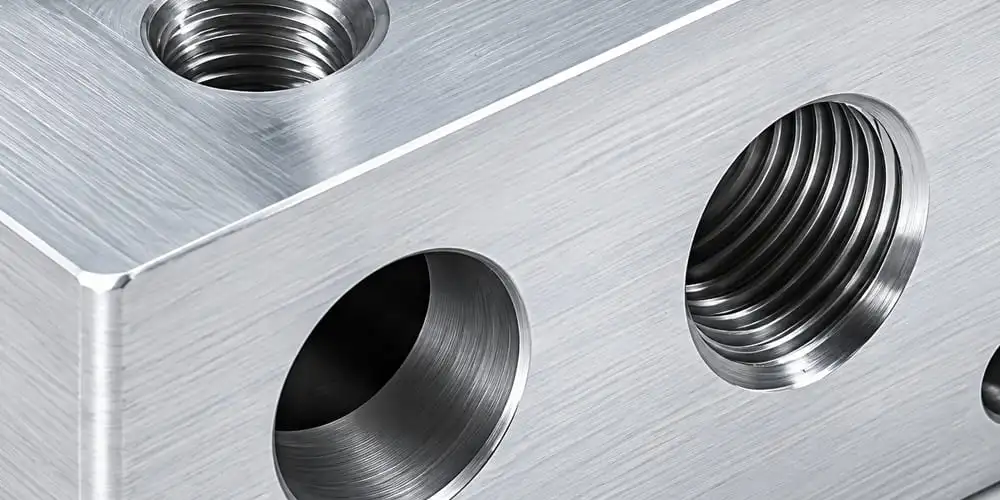
Holes & Threads
Small holes should be reviewed for diameter, depth, accessibility, position, and inspection method. Thread depth, blind holes, engagement length, and anodizing buildup may also affect assembly.
- Small holes
- Thread depth and engagement
- Hole position and inspection
- Anodizing impact on threads
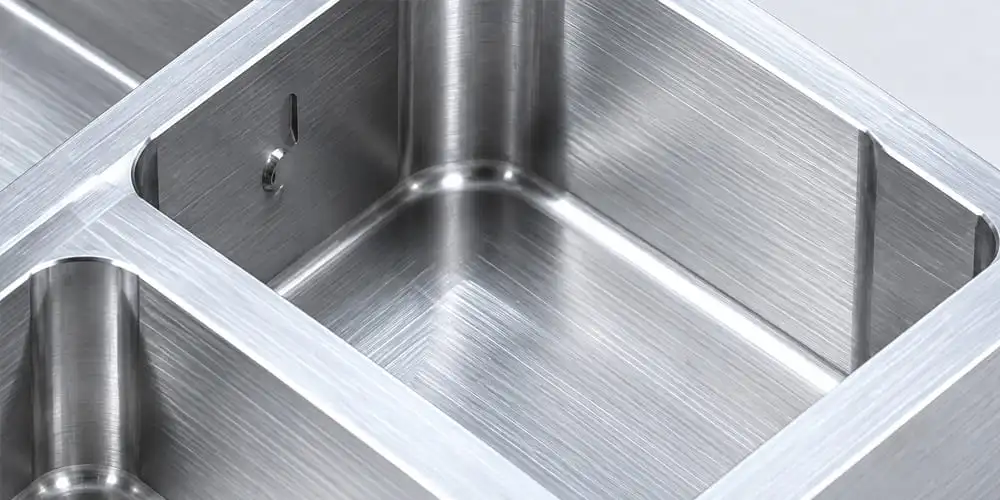
Geometry & Stability
Internal corners require practical tool radii, while large thin sections and asymmetric material removal may influence distortion and flatness after machining.
- Internal corners
- Distortion and flatness
- Asymmetric material removal
- Maintain critical dimensions
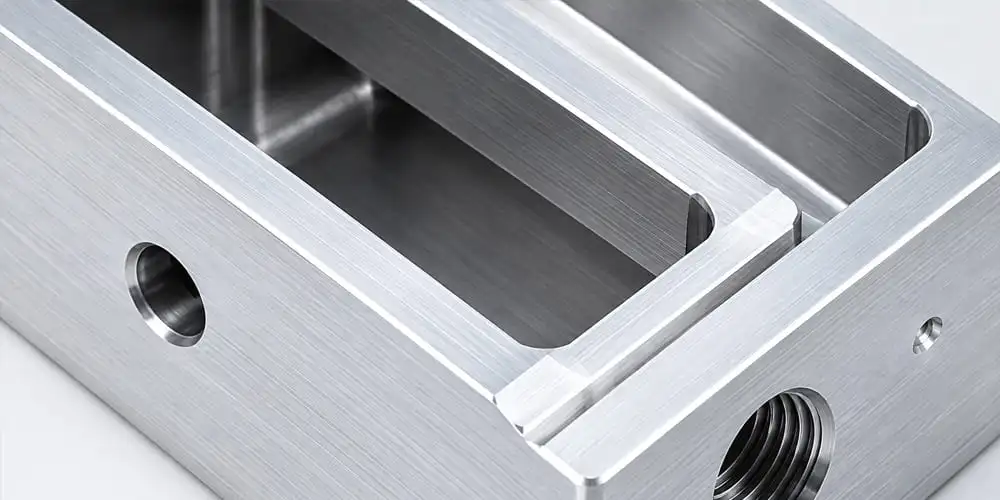
Tool Access & Edge Condition
Features that require unnecessary setups or excessively long tools may increase machining time. Hole intersections, narrow slots, threads, and thin edges may also require deburring or edge-control planning.
- Tool access and setup
- Burrs and edge condition
- Hole intersections and thin edges
- Practical design for machining
Share your drawings, CAD files, or samples for review of wall thickness, tool access, critical features, and machining risks before production.
Tolerances and Critical Dimensions for Aluminum CNC Parts
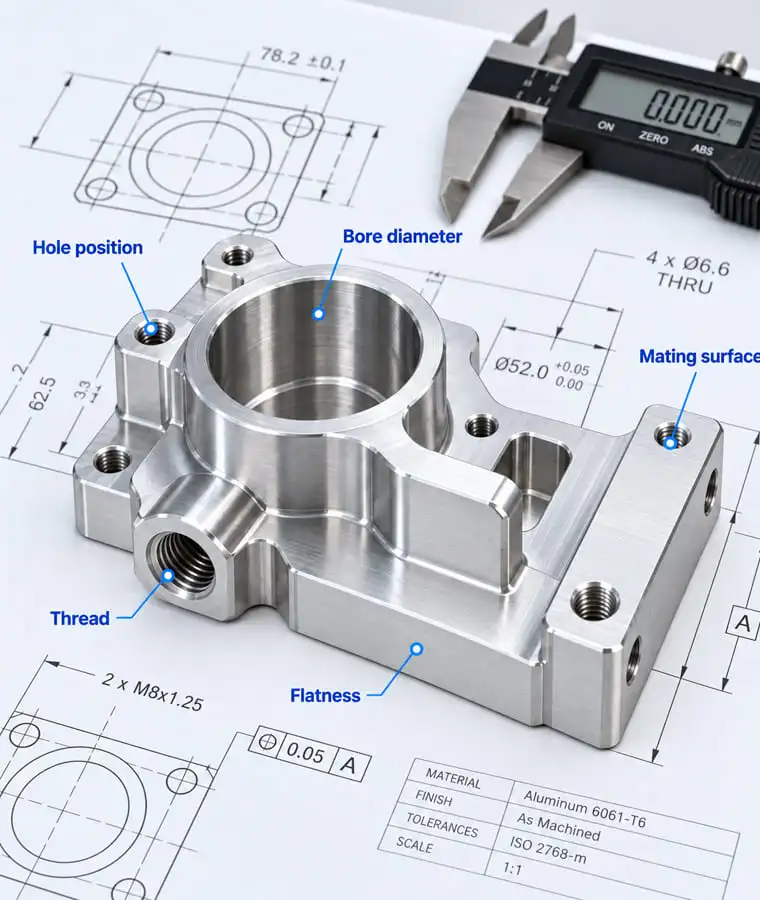
Not every dimension on an aluminum part needs the same tolerance. Features that control assembly, movement, sealing, mounting, or alignment usually deserve more attention than non-functional dimensions.
For suitable projects, critical dimensions can be controlled to ±0.005 mm depending on part geometry, aluminum grade, feature size, machining process, finishing requirements, and inspection method.
Critical Features That Often Require Tighter Tolerances
Hole position
Shaft or pin diameter
Bore diameter
Flatness
Parallelism
Perpendicularity
Mating surfaces
Assembly interfaces
Threads
Mounting or sealing surfaces
Unnecessarily tight tolerances can increase cost.
Tighter tolerances may require more machining time, additional setups, stricter inspection requirements, and can increase the total production cost without improving part function.
Surface Finishing for Aluminum CNC Parts
Aluminum surface finishing should be considered before machining when coating thickness, cosmetic surfaces, threads, precision holes, or mating features may affect the finished part.
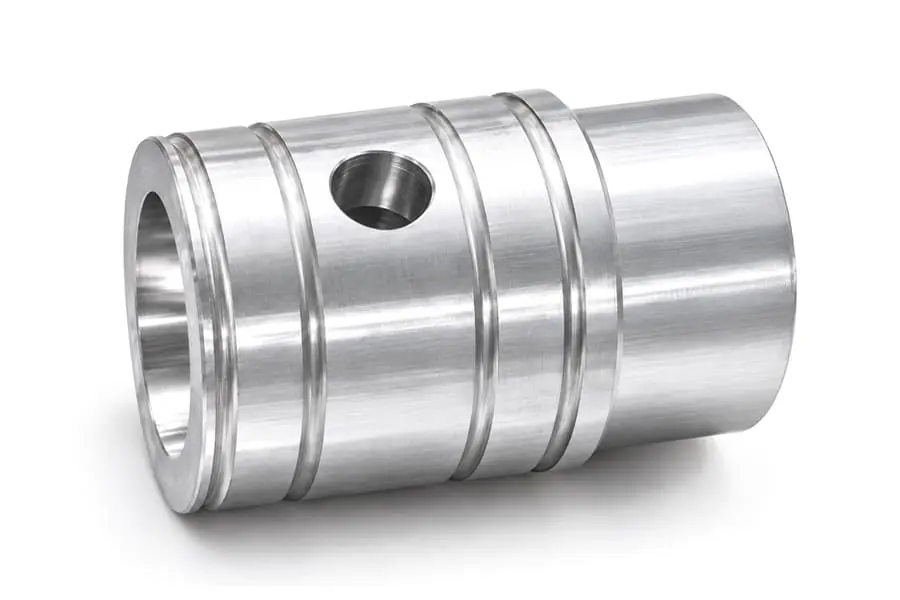
As Machined
Visible machining marks; suitable where function and dimensions matter more than cosmetic appearance.
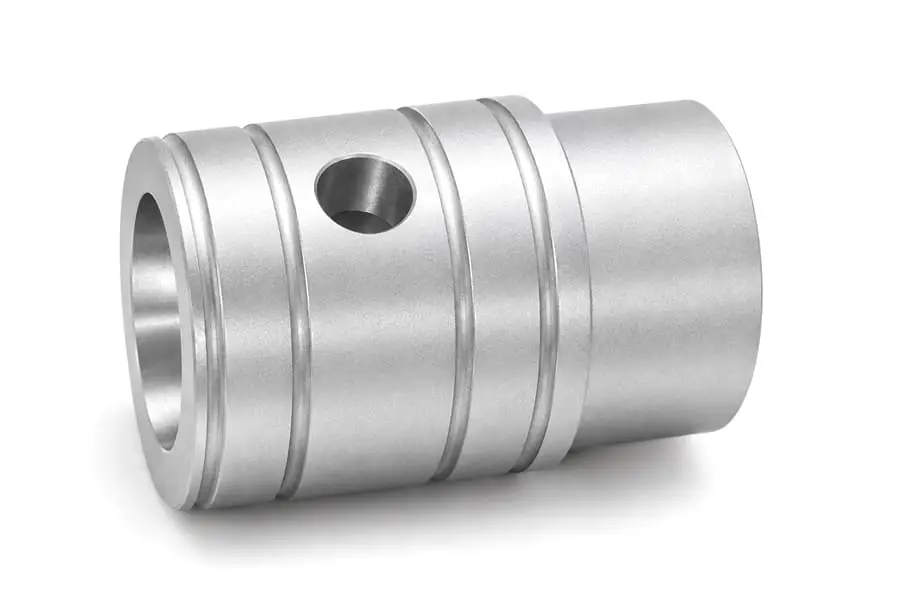
Bead Blasting
Uniform matte texture that reduces the appearance of machining marks.
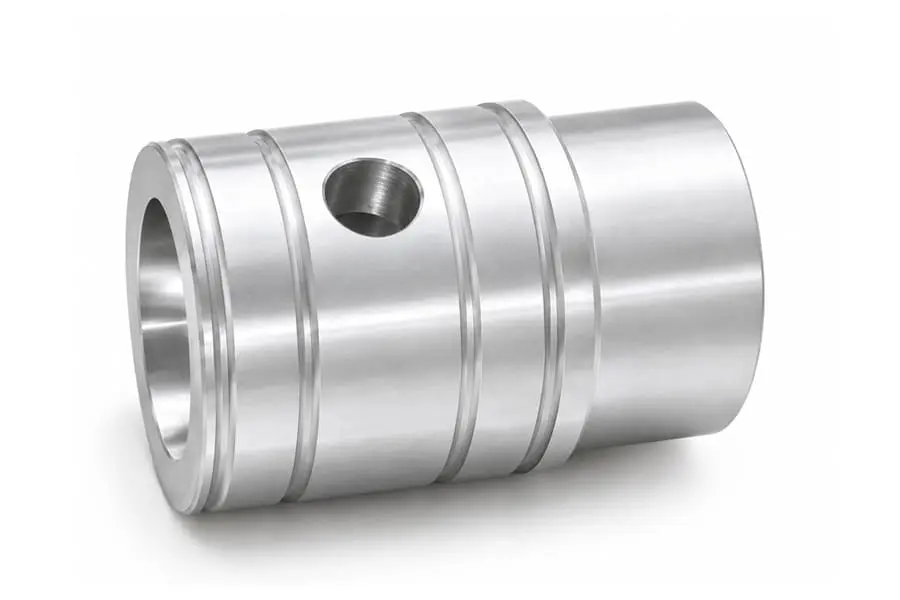
Clear Anodizing
Corrosion protection while retaining a metallic aluminum appearance.
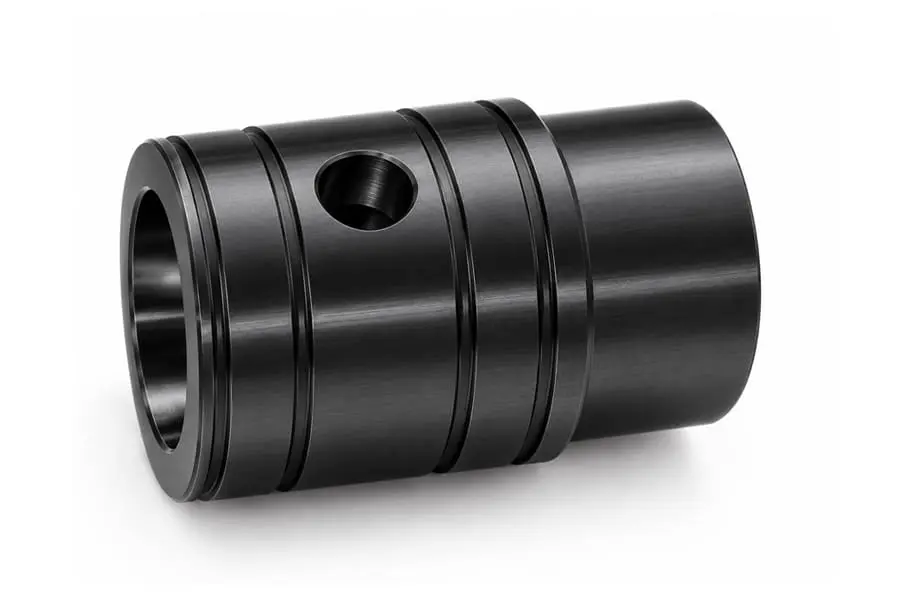
Black Anodizing
Black cosmetic finish for suitable aluminum parts.
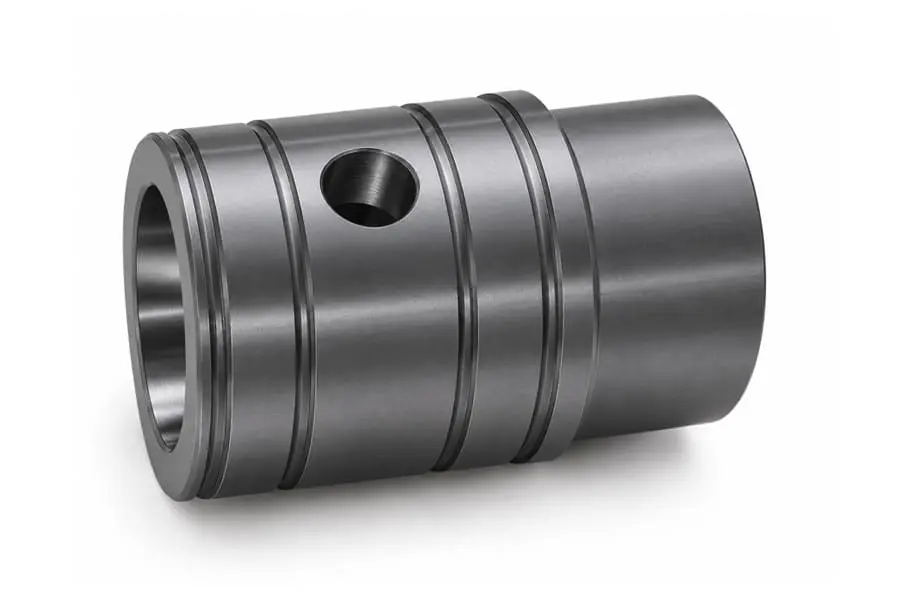
Hard Anodizing
Improved wear resistance; coating thickness and dimensional impact should be reviewed.
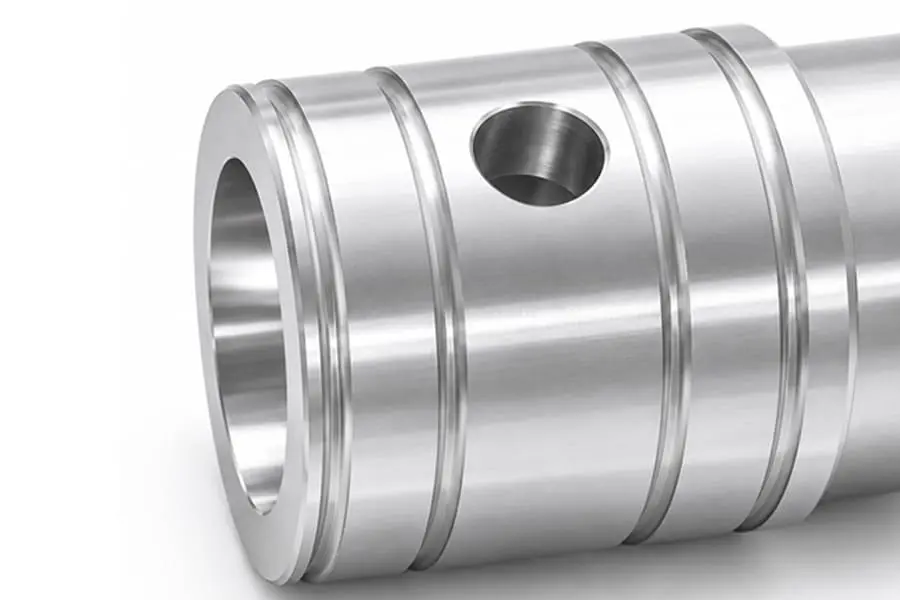
Fine Machined
Smoother machined surface for selected functional or cosmetic areas.
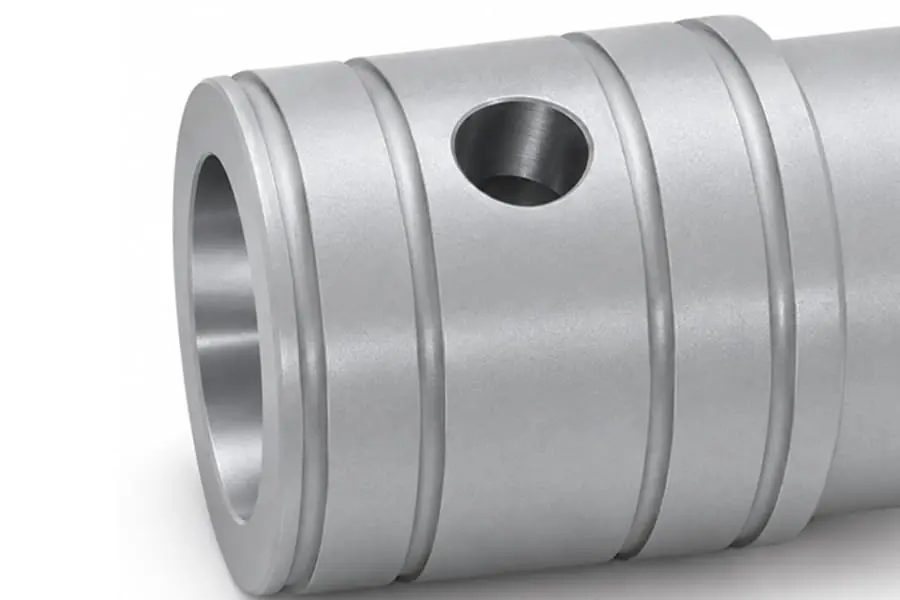
Powder Coating
Colored protective coating where masking and coating thickness can be accommodated.
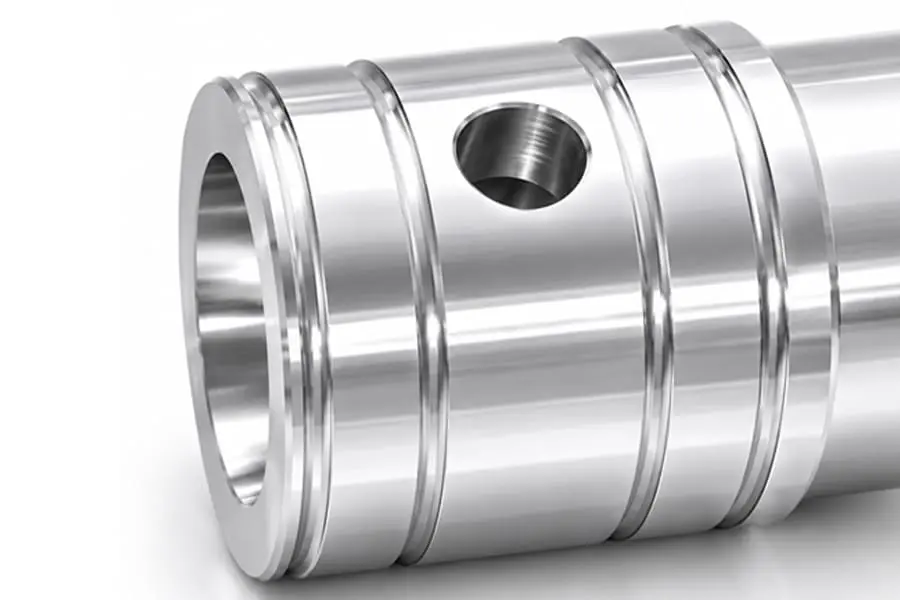
Polishing
Smoother or more reflective surface for suitable aluminum geometries.
Before finishing, review:
Confirm required thickness and its effect on critical dimensions.
Account for dimensional changes from coatings.
Specify which threads should be masked or remained uncoated.
Identify critical holes that require masking or tighter control.
Define areas to keep free of coating.
Ensure proper fit for assembly interfaces.
Clarify appearance requirements.
Discuss color consistency for future orders.
Send us your CAD files, material and finish requirements Our engineering team will review the details and provide recommendations for a successful result.
Quality Control for Aluminum CNC Parts
Inspection of aluminum CNC parts should follow the drawing, functional requirements, and critical features rather than relying only on visual appearance.
Depending on the project, inspection may include dimensional checks, hole-position verification, thread inspection, bore and external diameter checks, flatness, mating surfaces, surface condition, and finish-sensitive features. Dimensional inspection reports can be provided when required.
Critical Dimensions
Verify key dimensions accordingto drawing tolerances.
Hole Position
Check the location and position tolerances of precision holes.
Threads
Verify thread size, pitch and gauge fit (internal and external).
Bore & External Diameters
Inspect internal and external diameters for size and tolerance requirements.
Flatness
Check flatness of critical surfaces per drawing requirements.
Mating Surfaces
Ensure mating surfaces meet specified finish and dimensional requirements.
Surface Condition
Check for scratches, dents, burrs or other surface defects.
Finish-Sensitive Features
Verify anodizing, coating thickness or other finish requirements when specified.
Manufacturing and Inspection Evidence
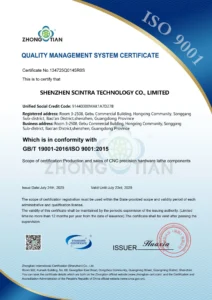
ISO Certificate
View Scintra’s current quality management certification.
INSIDE SCINTRA
See How Your Parts Are Manufactured
Take a look inside our facility and see the actual machining and production environment for aluminum CNC parts.
For more information about drawing-based inspection, measuring methods, and inspection documentation. see our CNC Machining Qualty Control process.
Share your drawing, critical dimensions, finish requirements, and inspection needs for review.
From Aluminum Prototype to Production
An approved aluminum prototype confirms the initial part, but repeat production requires the machining process, material specification, critical dimensions, inspection requirements, surface finish, and drawing revision to remain aligned across future batches.
Scintra can support the transition from prototype validation to pilot runs, batch production, and repeat orders according to project requirements.
01
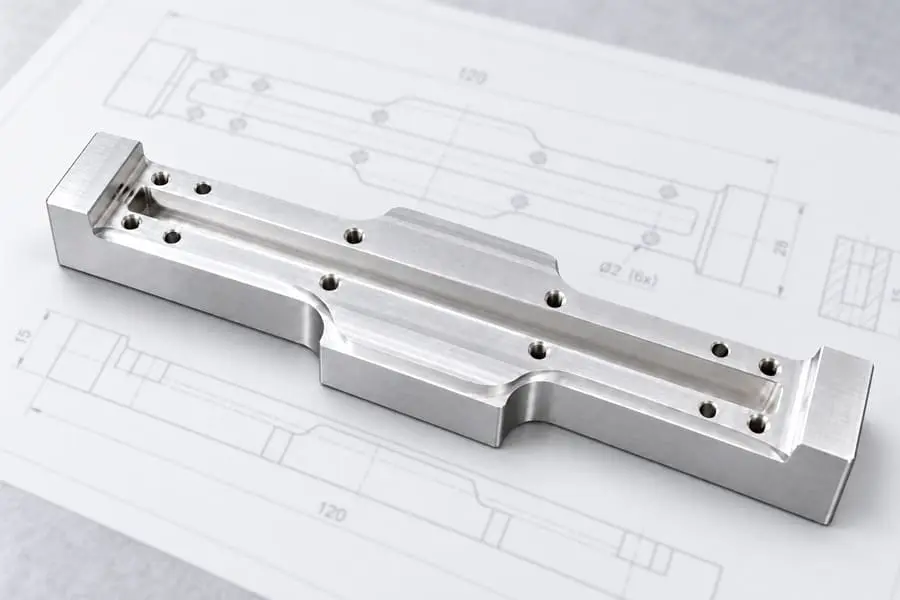
Prototype
Confirm geometry, aluminum grade, assembly relationship, critical dimensions, and surface finish.
02
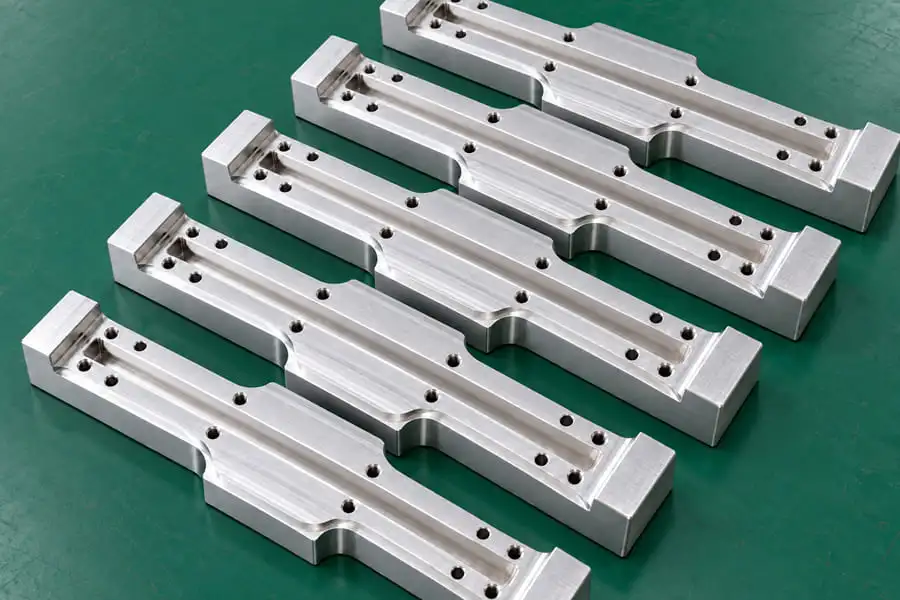
Pilot Run
Check whether the selected process, workholding, inspection plan, and finishing requirements can be repeated before moving into a larger batch.
03
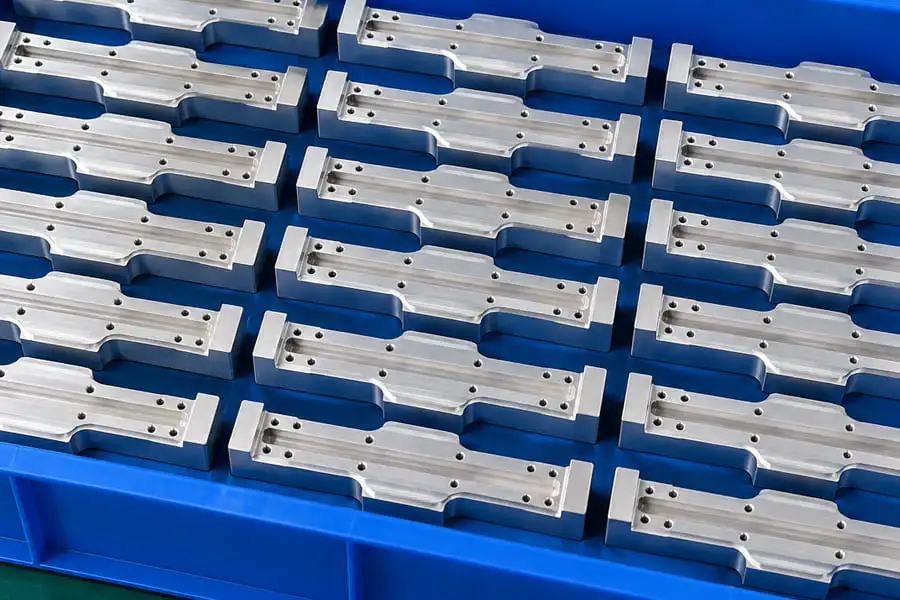
Batch Production
Use the confirmed drawing revision, material specification, machining process, inspection checkpoints, and finish requirements.
04
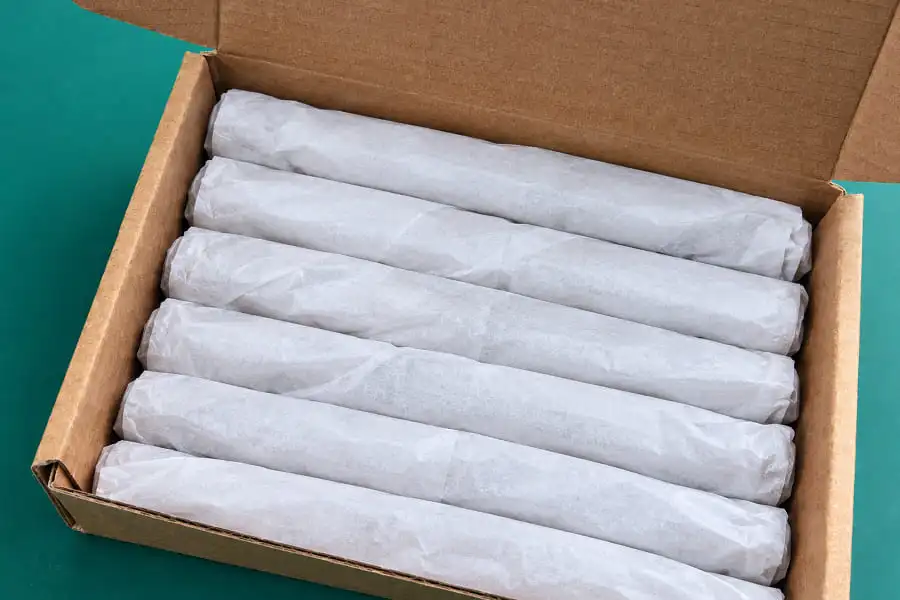
Repeat Production
Future orders should remain aligned with the approved drawing revision, material, surface finish, inspection notes, and packaging expectations.
For larger batches and repeat orders, learn more about our CNC Production Machining process.
Share your drawing, expected quantity, critical dimensions, and finish requirements for production review.
What Affects Aluminum CNC Machining Cost?
Aluminum CNC machining cost depends on material grade, part geometry, setup and workholding, tolerance requirements, surface finishing, inspection, and production quantity. These factors affect material usage, machining time, tooling, setup effort, inspection time, and finishing requirements.
Scintra can support the transition from prototype validation to pilot runs, batch production, and repeat orders according to project requirements.
Aluminum Grade
6061, 7075, and other alloys have different material costs and machining characteristics.
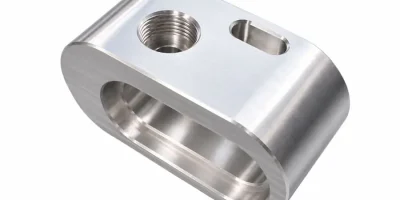
Part Geometry
Deep pockets, thin walls, multi-side machining, small features, and hard-to-reach areas may increase cycle time and tooling requirements.
Setup and Workholding
Parts requiring multiple orientations, special fixtures, or complex locating methods may require additional setup effort.
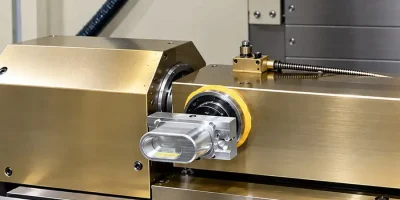
Tolerance Requirements
Tighter tolerances generally require more machining control, inspection, and process stability.
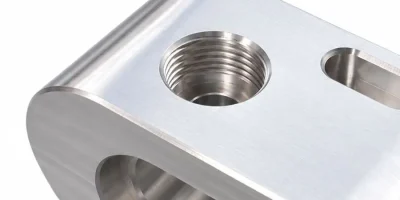
Surface Finishing
Anodizing, hard anodizing, bead blasting, powder coating, masking, and cosmetic requirements influence total project cost.
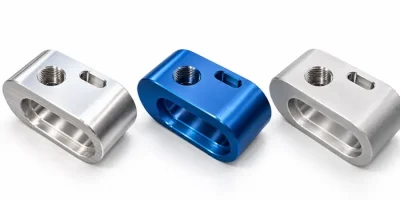
Inspection
Extensive dimensional reporting or additional inspection checkpoints can increase inspection time.
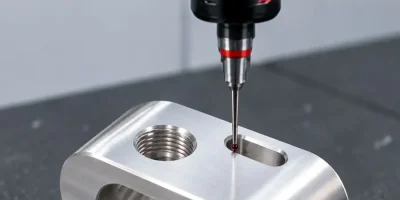
Quantity
Programming and setup effort can often be distributed across more parts when production quantity increases.
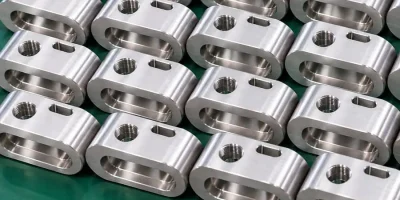
Different Requirements Different Costs.
By understanding these cost drivers, you can make more informed decisions and find the right balance between performance, quality, and budget for your aluminum CNC parts.
Ways to Reduce Unnecessary Machining Cost
Where function allows, cost can often be reduced by reviewing the design and specifications before production.
Choose an appropriate grade
Select a suitable aluminum grade instead of over-specifying material.
Avoid unnecessary tight tolerances
Use tighter tolerances only where required for function.
Reduce excessive pocket depth
Optimize pocket depth and remove unnecessary material where possible.
Use practical internal corner radii
Larger radii can reduce tooling time and improve machining efficiency.
Identify only truly critical dimensions
Focus on critical dimensions that affect fit, function, or assembly.
Define finish requirements clearly
Specify surface finish requirements early to avoid additional processing or masking costs.
Share your drawings, expected quantity, tolerances, and finish requirements for our review. Our engineering team can help you identify cost-saving opportunities while ensuring your part meets performance needs.
Custom Aluminum CNC Parts for Industrial Applications
Custom aluminum CNC parts are used in robotics, automation equipment, industrial machinery, electronics hardware, automotive components, and other engineered products where low weight, machinability, thermal performance, corrosion resistance, or anodized finishes may be important. Scintra manufactures these non-standard components according to customer drawings, CAD files, material requirements, and functional specifications.
Industrial Equipment
Covers, brackets, machine components, replacement parts, and custom hardware.
Automation Equipment
Fixture plates, positioning blocks, brackets, mounting plates, and custom machine components.
Robotics
Lightweight housings, brackets, mounting parts, and structural components.
Electronics Hardware
Aluminum housings, enclosures, panels, heat sinks, and precision mounting components.
Automotive Components
Custom brackets, housings, mounting parts, and development-to-production components.
Hardware Products
Non-standard mechanical hardware, enclosures, brackets, structural parts, and product components.
Share your drawing, aluminum grade, application requirements, critical dimensions, and surface finish for review.
What to Send for an Aluminum CNC Part Review
For an aluminum CNC part review, send your 3D CAD file, 2D drawing, aluminum grade, quantity, critical dimensions, surface finish, and inspection requirements where available. Additional information such as finish details, application context, or an approved sample can help clarify manufacturing and inspection requirements before production.
Send what you currently have available. Not every item is required for an initial review.
Recommended for Initial Review
3D CAD Files
STEP, STP, IGS, X_T, or other suitable 3D formats.
2D Drawings
Include dimensions, tolerances, threads, critical features, datum references, and production notes.
Aluminum Grade
Specify 6061, 7075, or another required alloy where known.
Part Quantity
Tell us whether the project is a prototype, pilot run, batch order, or repeat-production program.
Critical Dimensions
Identify features affecting fit, mounting, alignment, sealing, movement, or assembly.
Surface Finish
Specify as-machined, bead blasting, clear anodizing, black anodizing, hard anodizing, or other requirements.
Helpful When Available
Anodizing or Finish Details
Identify cosmetic surfaces, color requirements, masking areas, protected threads, precision holes, and mating surfaces.
Inspection Requirements
Tell us whether dimensional reports, material documentation, or project-specific inspection records are required.
Application Information
Where useful, explain how the component functions or fits into the final assembly.
Approved Sample
Provide a reference or approved sample where available.
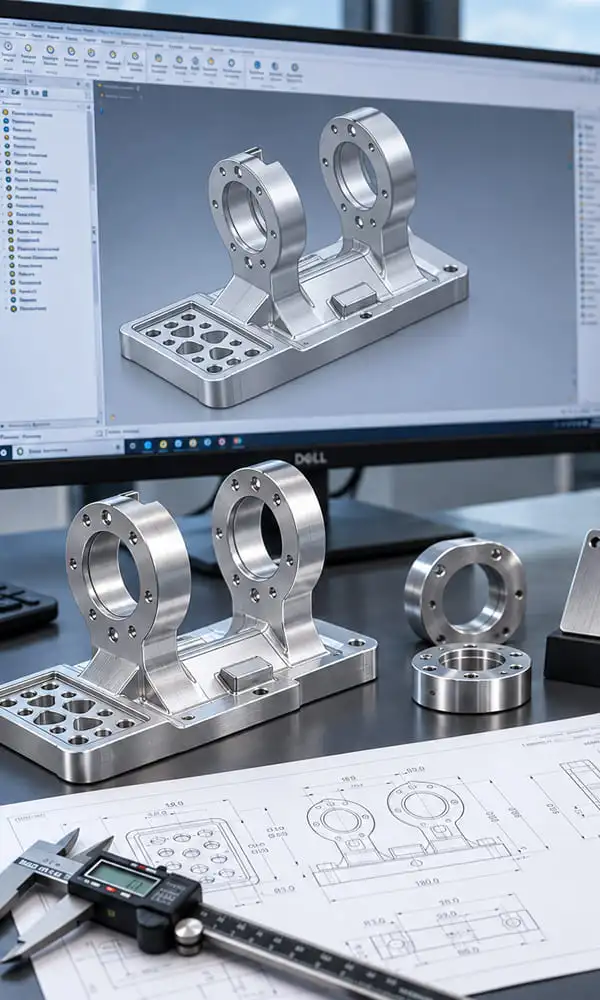
Complete project information helps reduce clarification rounds before machining.
Frequently Asked Questions About Custom Aluminum CNC Parts
Find answers to common questions about aluminum grades, machining capabilities, finishes, tolerances, production, and the information needed for a part review.
What aluminum grades are commonly used for CNC machining?
6061 and 7075 are commonly considered for CNC machined aluminum parts. 6061 is often selected for general mechanical parts because of its machinability, corrosion resistance, and finishing flexibility, while 7075 may be considered where higher strength is required. Other grades such as 2024, 5052, or 6082 may be reviewed depending on the application.
Is 6061 or 7075 better for CNC machining?
Neither is universally better. 6061 is often practical for general machining, anodizing, and corrosion resistance. 7075 offers higher strength but may involve different cost and finishing considerations. Selection should follow the part’s functional requirements.
Can aluminum CNC parts be anodized?
Yes. Aluminum CNC parts can be anodized where suitable. Clear anodizing, black anodizing, and hard anodizing may be reviewed according to material grade, appearance, wear requirements, masking, and critical dimensions.
Does anodizing affect part dimensions?
Yes. Anodizing changes the surface layer and may affect tolerance-sensitive areas. Threads, precision holes, mating surfaces, and fitted features should be reviewed before finishing.
What tolerances can you achieve on aluminum CNC parts?
Tolerance capability depends on geometry, aluminum grade, feature size, machining process, finishing, and inspection requirements. For suitable projects, critical dimensions can be controlled to ±0.05 mm depending on those conditions.
Can you machine thin-wall aluminum parts?
Thin-wall aluminum parts can be machined when geometry, workholding, material removal, distortion risk, and tolerance requirements are reviewed appropriately.
Can Scintra support prototype and production aluminum parts?
Yes. Scintra supports prototype validation, pilot runs, batch production, and repeat orders according to part geometry, material, finishing, inspection, and production requirements.
What surface finishes are available for aluminum CNC parts?
Options may include as machined, fine machined, bead blasting, clear anodizing, black anodizing, hard anodizing, powder coating, and polishing where suitable.
What files are needed for an aluminum CNC machining review?
Provide 3D CAD files, 2D drawings, aluminum grade, quantity, critical dimensions, surface finish, inspection requirements, and sample or application information where available.
What affects the cost of CNC machined aluminum parts?
Cost depends on aluminum grade, part geometry, setups, machining time, tolerance requirements, surface finishing, inspection, material utilization, and production quantity.
Send Your Aluminum Part for Machining Review
Send your drawings, CAD files, aluminum grade, critical dimensions, quantity, surface finish requirements, inspection needs, and sample information where available.
Scintra will review the part geometry, material selection, machining approach, finishing requirements, and prototype-to-production considerations before manufacturing.